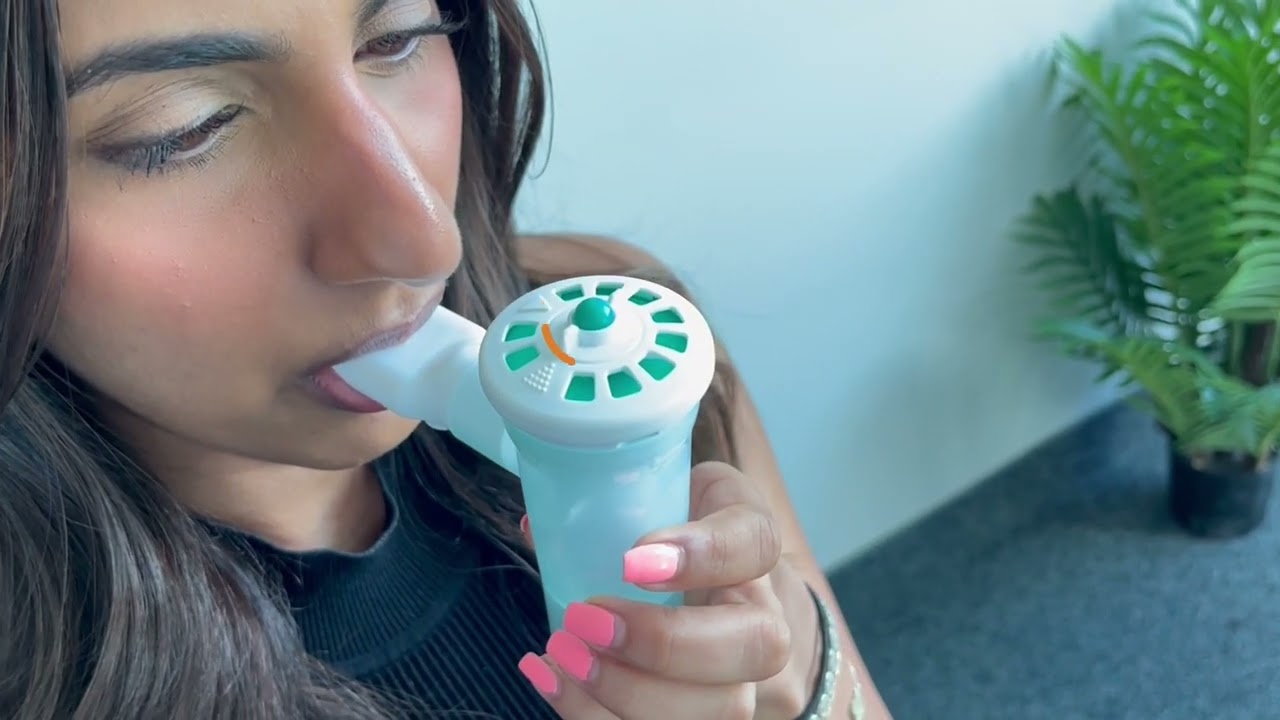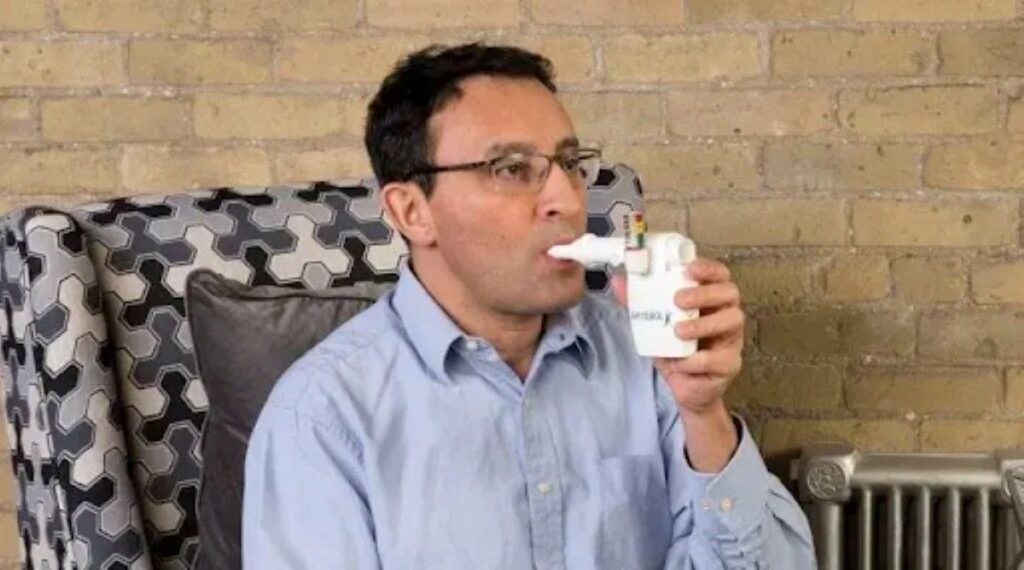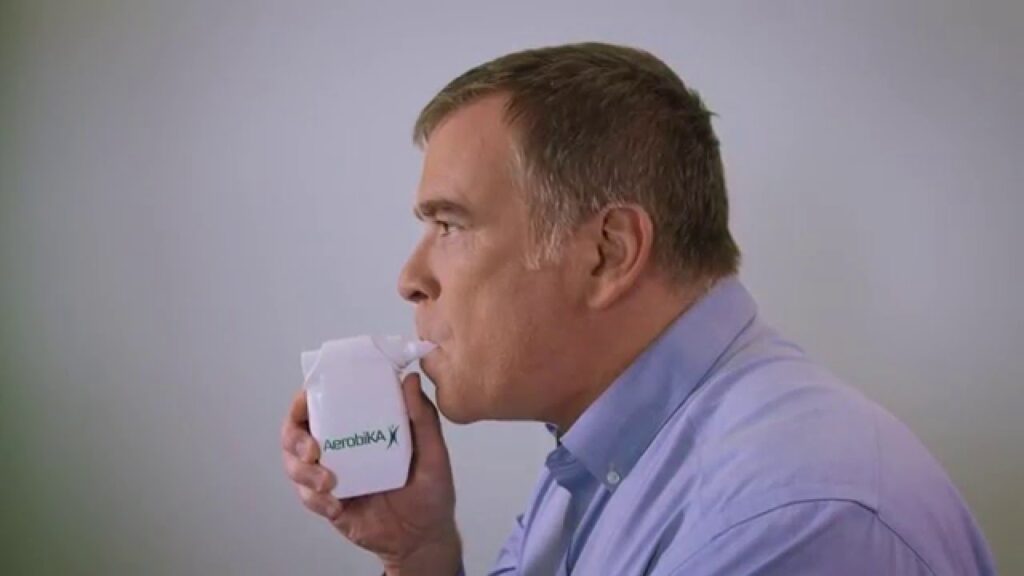
Should You Aerobika Buy Online or Through a Provider?

Buying online can be convenient and sometimes cheaper. Buying through a provider can reduce mistakes and improve outcomes, especially when they are new to airway clearance routines.

Should they buy Aerobika online for convenience?

Yes, searching Aerobika buy online is usually the fastest route, especially if they already know Aerobika is the exact device they need. They can order from a wide range of retailers and have it shipped directly to their home.

The tradeoff is that online checkout rarely includes coaching. If they are unsure about technique, cleaning, or how Aerobika fits into their broader treatment plan, convenience can turn into confusion.

Should they buy Aerobika through a provider for clinical guidance?

Yes, a provider route is often best when they need confirmation that Aerobika is appropriate and instruction on how to use it. Providers can show correct breathing technique, explain expected sensations, and help them avoid common errors that make the device less effective.

This matters because airway clearance devices are not “set and forget.” Small changes in posture, exhalation speed, and consistency can change results.

Is price better online or through a provider?

Online pricing can be lower, particularly during sales or if multiple sellers compete on the same marketplace. They may also find bundles that include replacement parts or related supplies.

Through a provider, the upfront price can be higher, but it may include training, follow-up, or streamlined support. In some cases, insurance, HSA/FSA eligibility, or local medical supply billing may offset cost, depending on their plan and region.

Do they need a prescription to buy Aerobika?

Often, Aerobika can be purchased without a prescription in many places, but rules and seller requirements vary by country and retailer. Even when a prescription is not required, clinician involvement can still be useful if they have complex symptoms or multiple inhaled therapies.

If they are unsure, they should verify local requirements and ask a pharmacist or clinician before purchasing.

Is it safer to buy Aerobika through official or authorized channels?

Yes, it is generally safer to buy through official, authorized, or reputable medical supply channels, whether online or via a provider. This reduces the risk of receiving incorrect products, old stock, missing components, or unclear return policies.

If they buy online, they should prioritize established pharmacies, known medical supply stores, or clearly identified authorized sellers with transparent contact details and support.

What should they check before buying Aerobika online?

They should confirm they are purchasing the correct Aerobika model and that the listing clearly shows what is included. They should also check seller reputation, return terms, and whether the item is new and sealed.

They should avoid vague listings, unusually low prices, or sellers that cannot answer basic questions about packaging, authenticity, or expiration related details where applicable.

Aerobika Buy Online

Could they be buying the wrong device for their condition?

Yes, that can happen, especially if they self-select based on a recommendation from a forum or a generic product page. Aerobika may be helpful for some people, but airway clearance needs differ widely depending on diagnosis, severity, sputum production, and co-treatments.

A clinician can help them decide if Aerobika is the right option or whether another approach, such as different PEP devices, oscillatory vests, or breathing techniques, would better match their situation.

Does training matter if they already used similar devices?

Yes, even experienced users can benefit from a quick technique check. Aerobika use often looks simple, but many people exhale too hard, rush sets, skip rests, or clean it inconsistently, which can reduce performance and comfort.

A provider can also help them coordinate Aerobika sessions with bronchodilators, nebulizers, or other airway clearance steps in a sequence that makes sense for them.

See Also : Philips Oxygen Concentrator Australia: What Patients Should Know

Are returns and replacements easier online or through a provider?

It depends on the seller, but providers and local medical suppliers can be easier for troubleshooting because they can see the device and explain what is normal. Online returns may be straightforward with major retailers, but medical devices can have hygiene related restrictions once opened.

They should read return policies before purchasing and keep packaging until they confirm the device is correct and complete.

What is the best choice for most people?

For most people, the best choice depends on whether they need guidance. If they have already been evaluated, have been taught proper use, and simply need a replacement, online buying is usually practical.

If they are starting airway clearance for the first time, have frequent exacerbations, feel unsure about technique, or have multiple therapies to coordinate, purchasing through a provider or at least involving a provider before buying is the safer path.

What is a sensible decision checklist they can follow?

They can use a simple rule. If they are confident in fit, technique, and care plan, online purchase is usually fine. If any of those are uncertain, they should involve a provider first.

A quick checklist helps:

  • They have a confirmed reason to use Aerobika.
  • They know the correct technique and cleaning routine.
  • They are buying from a reputable seller.
  • They understand what is included and the return policy.
  • They know when to seek help if symptoms worsen.

Should they talk to a clinician before deciding?

Yes, if there is any doubt, they should. A short conversation can prevent wasted money and reduce the risk of using the device incorrectly or delaying better suited treatment.

If they choose to buy online, they can still ask a respiratory therapist, clinician, or pharmacist to review technique afterward. That hybrid approach often gives them the best of both worlds: convenience with proper support.

Aerobika Buy Online

FAQs (Frequently Asked Questions)

Is it safe and convenient to buy the Aerobika device online?

Yes, buying Aerobika online is usually the fastest and most convenient option, especially if you already know it’s the exact device you need. You can order from a wide range of retailers and have it shipped directly to your home. However, online purchases rarely include coaching or clinical guidance, so if you’re unsure about technique or how it fits into your treatment plan, this convenience may lead to confusion.

Why should I consider buying Aerobika through a healthcare provider?

Purchasing Aerobika through a healthcare provider is often best when you need confirmation that the device is appropriate for your condition and instruction on proper use. Providers can demonstrate correct breathing techniques, explain expected sensations, help avoid common errors, and ensure the device fits well into your overall care plan. This guidance can significantly improve outcomes and device effectiveness.

Do I need a prescription to buy Aerobika?

In many places, Aerobika can be purchased without a prescription, but rules vary by country and retailer. Even if a prescription isn’t required, involving a clinician can be beneficial, especially if you have complex symptoms or use multiple inhaled therapies. It’s advisable to check local requirements and consult with a pharmacist or clinician before purchasing.

How do prices compare when buying Aerobika online versus through a provider?

Online prices for Aerobika can be lower, particularly during sales or from competing sellers on marketplaces. You might also find bundles including replacement parts or related supplies. Buying through a provider might have higher upfront costs but often includes training, follow-up support, and potential insurance or medical billing benefits depending on your plan and region.

What should I verify before purchasing Aerobika online to ensure authenticity and safety?

Before buying Aerobika online, confirm you’re purchasing the correct model with clear details about included components. Check the seller’s reputation, return policies, and whether the product is new and sealed. Avoid vague listings, unusually low prices, or sellers who cannot answer basic questions about packaging, authenticity, or expiration dates.

Can using Aerobika without proper training affect its effectiveness?

Yes, training matters even if you’ve used similar devices before. Many users exhale too hard, rush treatments, skip rests, or clean the device inconsistently—all of which reduce performance and comfort. Proper instruction helps coordinate Aerobika sessions with other treatments like bronchodilators or nebulizers for optimal airway clearance results.

Philips Oxygen Concentrator Australia: What Patients Should Know

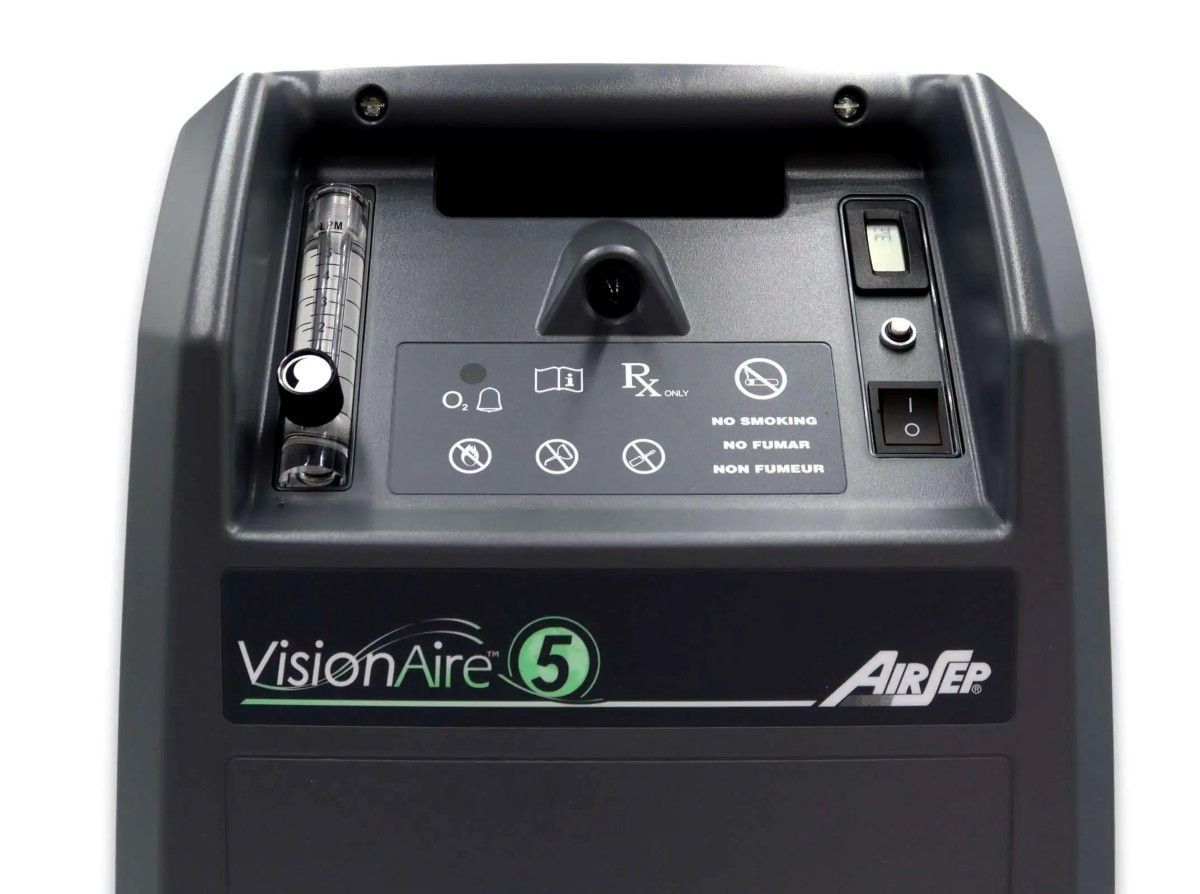
Philips is a well known name in respiratory equipment, but “Philips oxygen concentrator” can mean different things depending on the model, the prescription, and what an Australian supplier can legally provide. This guide covers what patients should check before they rent or buy.

What is a Philips oxygen concentrator, and what does it actually do?

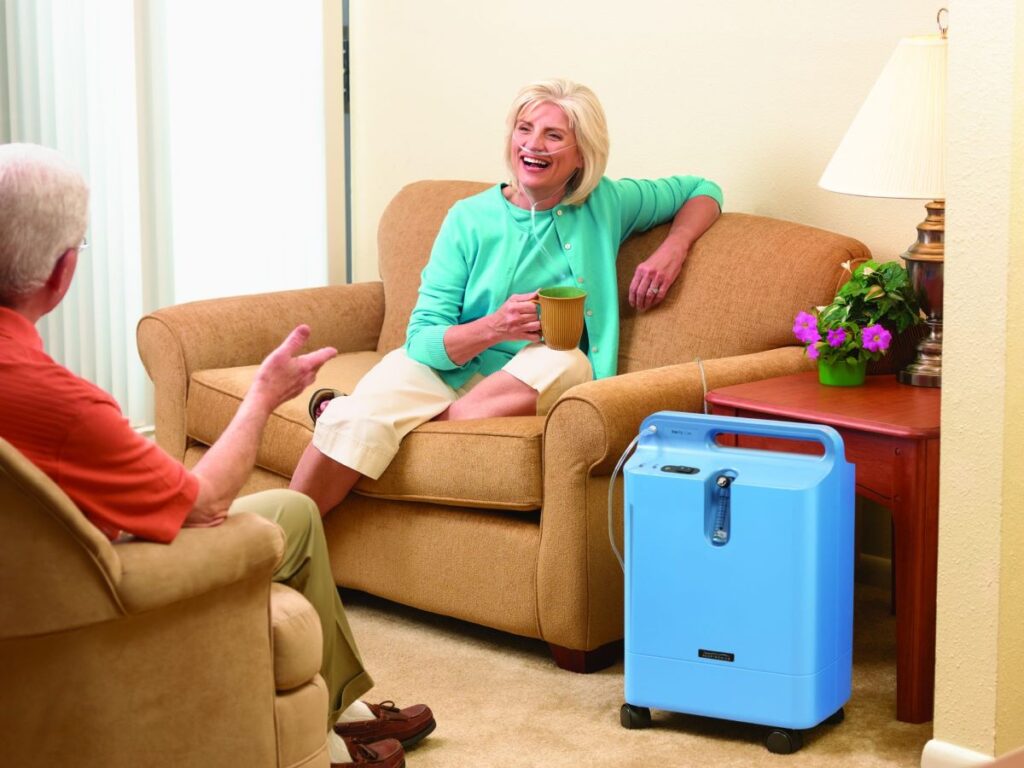
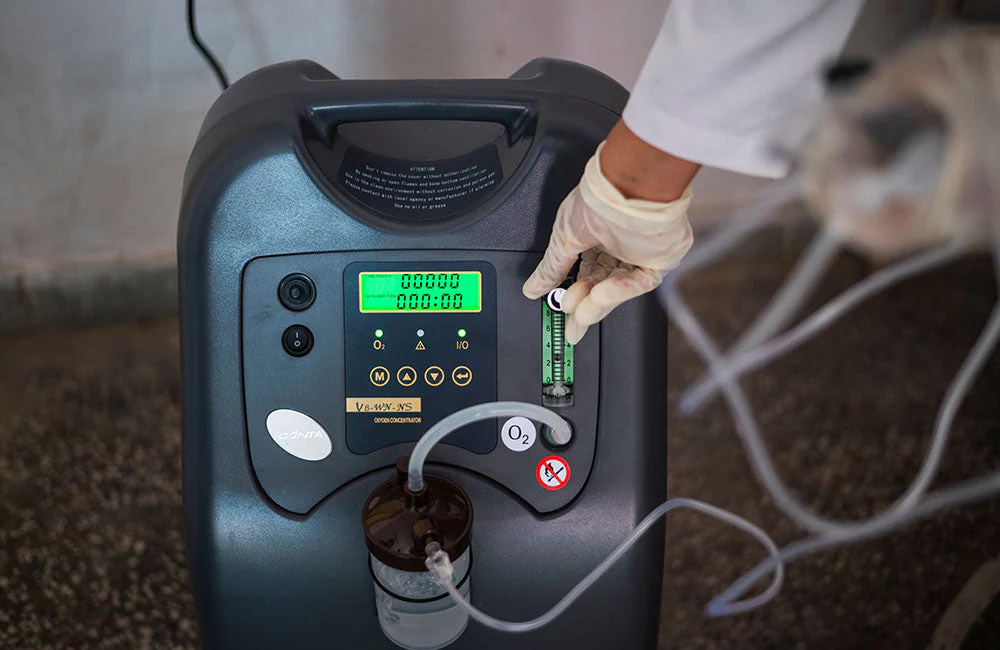
A Philips oxygen concentrator Australia is a medical device that takes in room air and delivers concentrated oxygen to a patient through tubing and a nasal cannula or mask, depending on the setup. It is used when a clinician prescribes supplemental oxygen for conditions that reduce blood oxygen levels.

In practice, concentrators usually fall into two categories: home (stationary) units designed for continuous use, and portable oxygen concentrators (POCs) designed to be carried for outings.

Which Philips models are typically relevant for patients in Australia?

Patients usually encounter Philips stationary concentrators and Philips portable oxygen concentrators, depending on what their prescription calls for. Availability can vary by supplier, location, and current regulatory status for specific product lines.

They should ask the supplier for the exact model name and confirm it matches the prescription requirements, because “portable” and “home” units behave very differently in flow capability, noise, and power options.

Do they need a prescription to get a Philips oxygen concentrator in Australia?

In most cases, yes. Oxygen therapy is typically prescribed based on clinical assessment, often including oxygen saturation measurements and sometimes arterial blood gas testing.

They should also expect a supplier to request prescription details such as required flow rate, whether oxygen is needed continuously or only during exertion or sleep, and whether pulse dose is acceptable.

What is the difference between continuous flow and pulse dose, and why does it matter?

Continuous flow delivers a steady rate of oxygen (for example, 1–5 L/min depending on the unit and prescription). Pulse dose delivers oxygen in bursts triggered by inhalation.

This matters because some patients require continuous flow, particularly during sleep or for certain clinical conditions, while many POCs are pulse dose only. They should confirm what their clinician ordered and match the device type to it, rather than assuming any portable option will work.

How should they check the right oxygen flow and settings for their needs?

They should not guess settings. Flow rates and modes should be set according to the prescription and then verified in real life situations, such as walking around the home, climbing steps, or sleeping if night oxygen is prescribed.

A clinician may recommend a walk test or overnight oximetry to confirm oxygen saturation stays in the target range. If symptoms persist despite use, they should report it, since increasing flow without guidance can be unsafe for some patients.

What should they know about power, batteries, and backup plans?

Stationary concentrators typically run on mains power and may include alarms for power failure, but they do not replace the need for a plan during outages. Patients should ask their supplier about backup oxygen options, especially if they rely on oxygen 24/7.

For Philips portable units, battery life varies widely by setting, breathing pattern, and altitude. They should check realistic battery duration at their prescribed setting, not just the best case marketing figure, and consider whether extra batteries or vehicle charging is needed.

Can they use a Philips portable oxygen concentrator for flying in and around Australia?

Many POCs are designed with air travel in mind, but airline policies still apply. They should confirm the exact model is accepted by their airline, understand battery quantity requirements, and carry documentation if requested.

They should also plan for ground time at airports, delays, and charging access. Even when a device is permitted, patients may still need a clinician’s letter and a travel plan that matches their oxygen needs door to door.

Other Resources : Batteries – For Home or Business Rooftop Solar

Philips Oxygen Concentrator Australia

What should they ask an Australian supplier before renting or buying?

They should treat the supplier conversation like a checklist, because policies and inclusions vary. Useful questions include:

  • Is the unit new, refurbished, or rental stock, and what is the service history?
  • What alarms does it have, and what do they mean?
  • What is included: cannulas, filters, humidifier bottle, tubing length, carry bag?
  • What is the warranty, and who handles repairs in Australia?
  • What are the expected noise levels and operating costs?
  • Can they trial the unit, and what is the return policy?

If the supplier cannot clearly explain whether a portable unit supports continuous flow, that is a red flag.

What are the key comfort and usability factors patients often overlook?

Noise, heat output, and tubing management can affect day to day use more than patients expect. A concentrator that is technically suitable can still be frustrating if it disrupts sleep or is hard to move safely around the home.

They should also consider maintenance routines. Filters often need cleaning or replacement, cannulas need regular changing, and humidification may be recommended to reduce dryness. If they have arthritis or limited hand strength, they should ask for a unit that is easier to handle and maintain.

What does servicing and maintenance typically involve?

Most concentrators require routine filter care, periodic inspection, and performance checks. Suppliers may offer scheduled servicing, especially for rentals, and patients should confirm how often it happens and whether a replacement unit is provided during repairs.

They should follow the device manual and supplier instructions, because blocked filters and poor ventilation can reduce performance. They should also keep the unit in a well ventilated space and avoid placing it against curtains or walls.

How can they protect themselves from misleading listings or unsuitable devices?

They should be cautious with marketplace listings that do not provide a clear model number, run hours, condition report, and proof of servicing. Medical devices are not like general electronics, and oxygen equipment needs to meet safety and performance expectations.

If they are buying privately, they should verify the device’s origin, confirm it is suitable for Australian power standards, and ideally have it checked by a reputable provider. If anything feels unclear, renting through a recognised supplier is often safer.

When should they seek medical help rather than changing equipment?

If they experience worsening breathlessness, headaches, confusion, chest pain, bluish lips, or persistent low oxygen saturations despite prescribed use, they should seek medical advice promptly. Equipment issues can be part of the problem, but clinical deterioration must be ruled out.

They should also ask for reassessment if their lifestyle changes, such as increased exertion needs, travel plans, or new sleep symptoms. Oxygen needs can change over time, and the right device today may not be the right device in six months.

What is the simplest way to choose the right Philips oxygen concentrator in Australia?

They should start with the prescription requirements, then match them to device type, then confirm local support. If the prescription requires continuous flow, they should prioritise a stationary unit or a portable option that truly supports continuous flow at the needed rate.

If portability is the main goal, they should verify pulse dose suitability, battery duration at their setting, and airline acceptance if travel is planned. The best choice is the one that meets the prescription, fits daily routines, and can be serviced quickly in Australia.

Philips Oxygen Concentrator Australia

Related : Should You Aerobika Buy Online or Through a Provider?

FAQs (Frequently Asked Questions)

What is a Philips oxygen concentrator and how does it work?

A Philips oxygen concentrator is a medical device that takes in room air and delivers concentrated oxygen to a patient through tubing and a nasal cannula or mask. It is prescribed for conditions that reduce blood oxygen levels and comes in two main types: stationary home units for continuous use and portable oxygen concentrators (POCs) for mobility.

Do I need a prescription to obtain a Philips oxygen concentrator in Australia?

Yes, in most cases you need a prescription based on clinical assessment such as oxygen saturation measurements or arterial blood gas testing. Suppliers will require details like prescribed flow rate, whether oxygen is needed continuously or during exertion/sleep, and if pulse dose delivery is acceptable.

What is the difference between continuous flow and pulse dose oxygen delivery?

Continuous flow delivers a steady rate of oxygen (e.g., 1–5 L/min), suitable for patients needing constant oxygen, especially during sleep. Pulse dose delivers oxygen in bursts triggered by inhalation, common in portable units. Matching the device type to your clinician’s prescription is crucial for effective therapy.

Can I use a Philips portable oxygen concentrator when flying within Australia?

Many Philips POCs are designed with air travel in mind, but acceptance depends on airline policies. Confirm your specific model is approved, understand battery requirements, carry necessary documentation, and plan for airport delays and charging access. A clinician’s letter and comprehensive travel plan are often required.

What should I ask an Australian supplier before renting or buying a Philips oxygen concentrator?

Important questions include: Is the unit new, refurbished, or rental stock? What alarms does it have and their meanings? What accessories are included (cannulas, filters, humidifier)? Warranty details and repair services in Australia? Noise levels and operating costs? Trial availability and return policy? Ensure clarity on continuous flow support if needed.

How do I maintain and service my Philips oxygen concentrator properly?

Routine maintenance involves cleaning or replacing filters regularly, inspecting performance, and following supplier instructions. Keep the unit well ventilated away from curtains or walls to avoid overheating. Scheduled servicing may be offered by suppliers, especially for rentals; confirm frequency and if replacement units are provided during repairs.

Cataract Surgery Recovery: Healing Time, Vision Changes, and Care Tips

Introduction: Understanding Cataracts and Why Surgery Is Needed

Cataracts are a common condition that affects the natural lens of the eye, causing it to become cloudy. This results in blurry vision, difficulty seeing in low light, and increased sensitivity to glare. As cataracts progress, they can significantly impact daily activities like reading, driving, and even recognizing faces.

See more: The Pros and Cons of Laser Eye Surgery: A Patient’s Perspective

Cataract surgery is the most effective treatment for this condition. During the procedure, the clouded lens is removed and replaced with a clear artificial lens called an intraocular lens (IOL). This surgery is highly successful and restores clear vision for the majority of patients. However, just like any surgery, proper recovery is essential to achieving the best results.

In this article, we’ll discuss the recovery process after cataract surgery, including healing time, expected vision changes, and important care tips to ensure a smooth recovery.


What Is Cataract Surgery?

Cataract surgery is a routine procedure designed to remove the clouded lens from the eye and replace it with an artificial intraocular lens (IOL). The surgery is typically performed under local anaesthesia, which means the patient remains awake during the procedure but doesn’t feel any pain. The surgery is relatively quick, usually taking between 15 to 30 minutes per eye, and is typically done on an outpatient basis, meaning you can go home the same day.

There are several different types of cataract surgery, but the most common methods are phacoemulsification (using ultrasound waves to break up the cataract) and laser-assisted cataract surgery (which uses a laser to assist in the procedure).


Before Cataract Surgery

Pre-Surgery Eye Tests

Before your cataract surgery, your eye doctor will perform a series of tests to ensure that the procedure is suitable for you and to determine the right intraocular lens (IOL) for your eyes. These tests include:

  • Vision Test: To measure the extent of your vision impairment caused by the cataract.
  • Eye Measurements: To determine the size and shape of your eye and select the appropriate IOL.
  • Corneal Health Check: To ensure that the cornea (the clear outer layer of the eye) is healthy enough to undergo surgery.
  • Retinal Exam: To check the health of your retina and make sure there are no other issues that could affect your vision.

These tests help your surgeon prepare for the procedure and choose the best options for your IOL.

Preparation Steps

In the days leading up to the surgery, there are a few important steps you should take to prepare:

  • Medications: Your doctor may advise you to stop taking certain medications, such as blood thinners, several days before surgery to minimize the risk of complications.
  • Eye Drops: You will likely be prescribed eye drops to reduce inflammation and prevent infection before the surgery.
  • Fasting: If you are undergoing sedation, you may be asked to fast for several hours before the procedure.

Be sure to follow all of your doctor’s instructions carefully for the best results.

What Patients Should and Shouldn’t Do

Before the surgery, here are a few things you should and shouldn’t do:

  • Do: Arrange for someone to drive you home after surgery, as your vision may be blurry.
  • Don’t: Wear makeup, lotions, or perfumes on the day of surgery to avoid increasing the risk of infection.

During Cataract Surgery

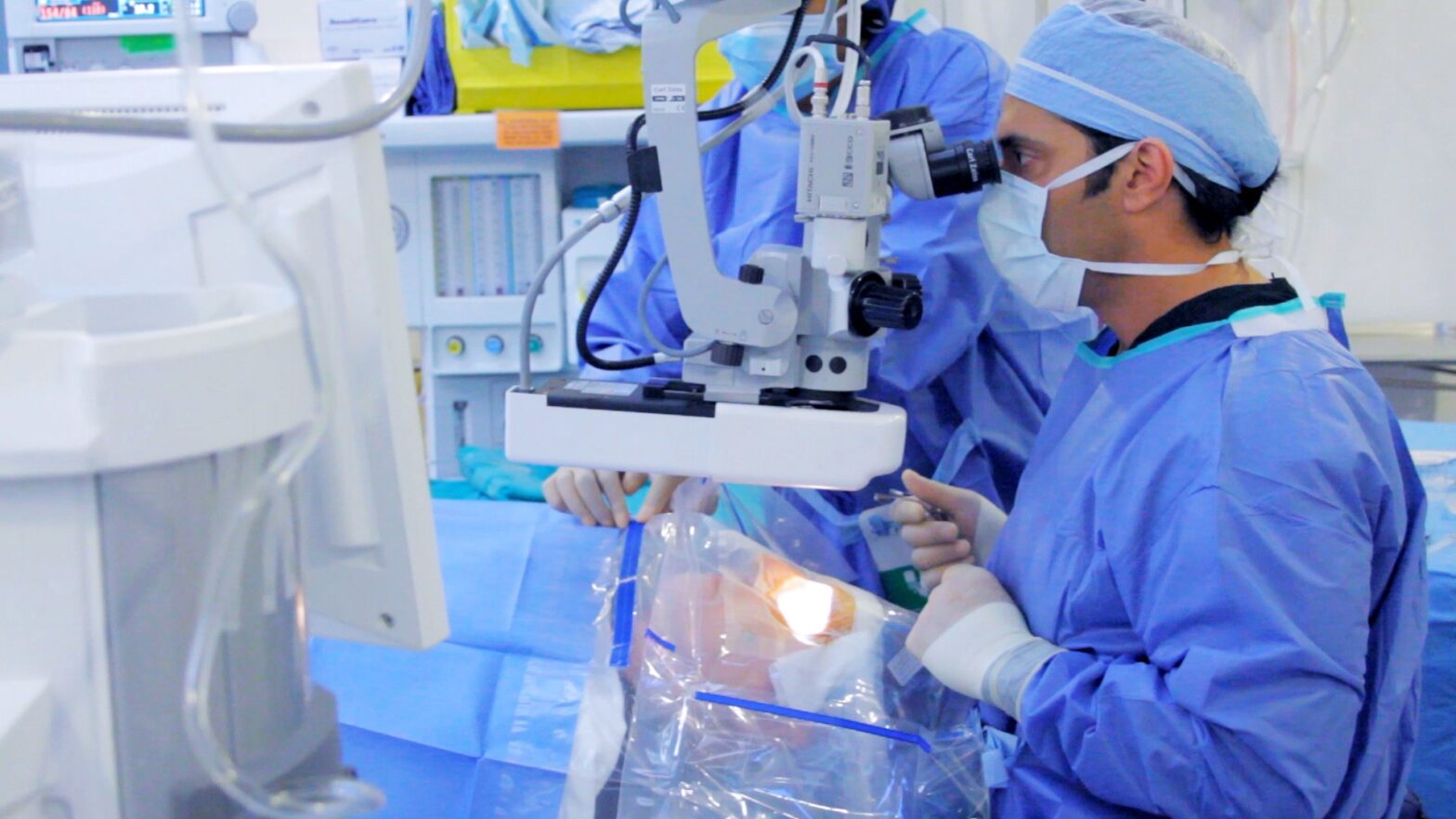
Cataract Surgery

How the Procedure Is Performed

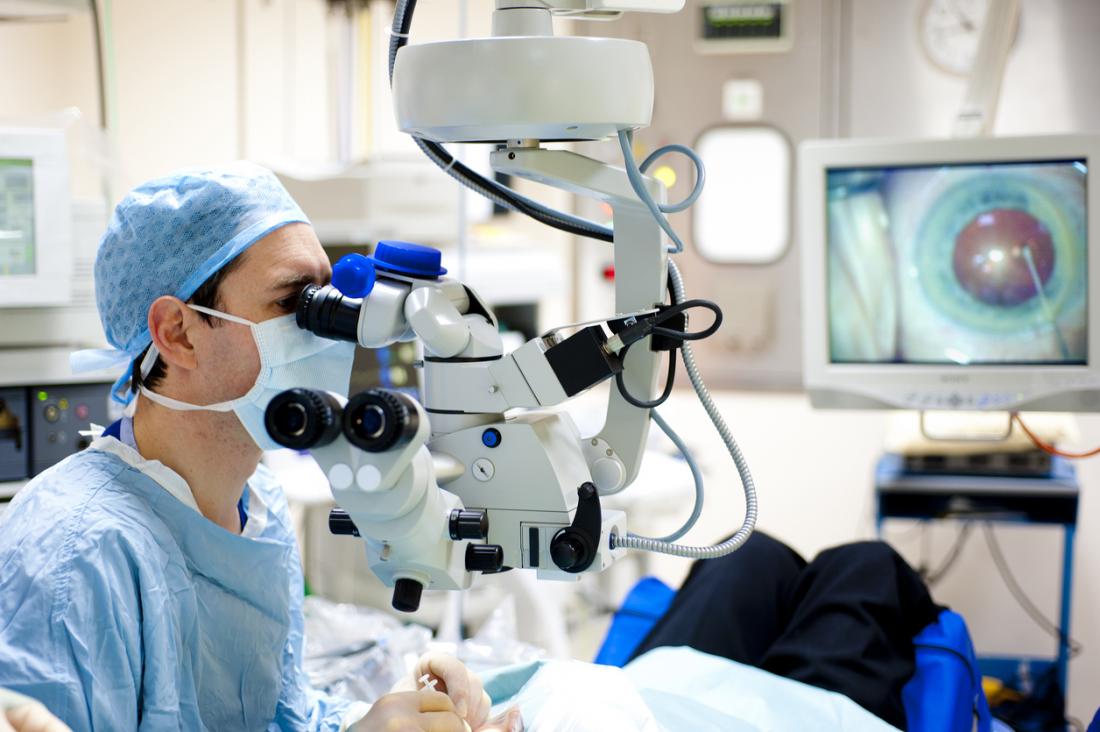
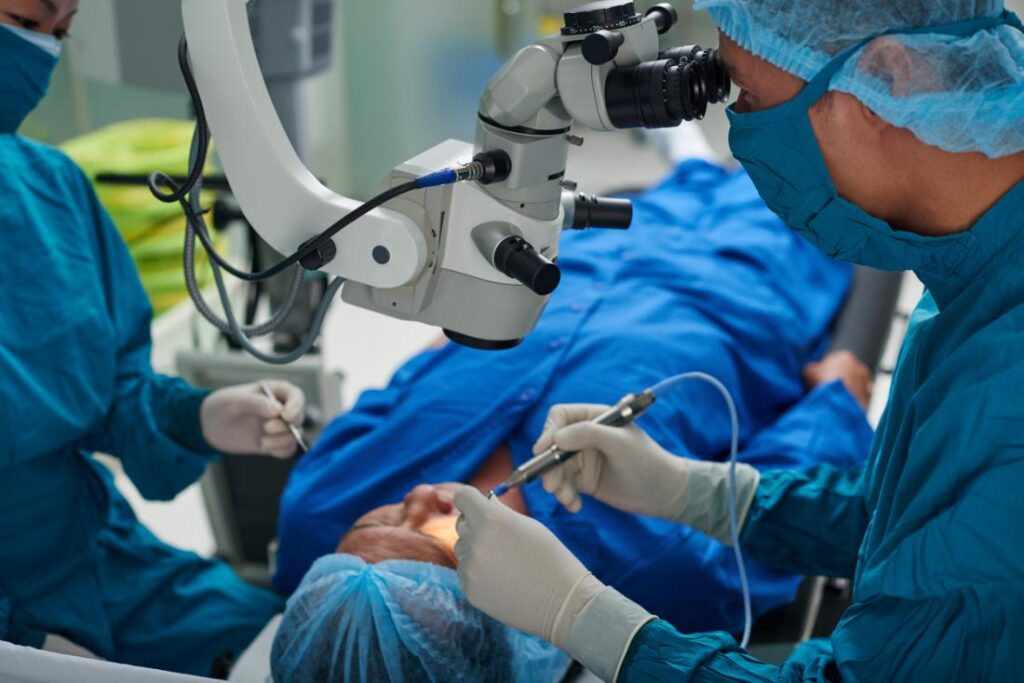
Cataract surgery is typically performed using a local anaesthetic to numb the eye, so the patient remains awake but comfortable. Here’s a step-by-step look at the procedure:

  1. Anaesthesia: Local anaesthesia is used to numb the eye, and a mild sedative may be given to help you relax.
  2. Incision: The surgeon makes a small incision in the cornea (the clear front part of the eye).
  3. Cataract Removal: The cloudy lens is broken up into tiny pieces using ultrasound (phacoemulsification) or laser, and then it is gently removed.
  4. IOL Insertion: An intraocular lens (IOL) is inserted to replace the natural lens. This lens helps focus light on the retina and restores clear vision.
  5. Closing the Incision: The incision is small enough that it usually does not require stitches. It will heal on its own.

The procedure typically takes about 15-30 minutes, and patients usually go home the same day.

Pain Management and Duration

Cataract surgery is relatively pain-free due to the local anaesthesia. After the procedure, some people experience mild discomfort or a gritty feeling in the eye, but this generally subsides within a few hours. Most patients report minimal pain during the procedure itself, with some pressure but no significant discomfort.


After Cataract Surgery

Recovery Timeline

Cataract surgery recovery is usually quick, with most people noticing improvement in their vision within the first 24-48 hours. However, full recovery may take several weeks. Here’s a breakdown of the typical recovery timeline:

  • First 24-48 Hours: Expect some blurry vision, mild irritation, and light sensitivity. These are common side effects that should improve in the coming days.
  • Week 1: Your vision may begin to stabilize, although some patients experience fluctuations in vision during this period.
  • Week 2-4: By the second week, most patients experience improved vision, although slight discomfort or sensitivity may still occur.
  • 6-8 Weeks: Full recovery is typically achieved within 6 to 8 weeks after surgery, with most patients noticing significant improvement in both vision clarity and comfort.

Vision Changes

Cataract surgery is known for providing dramatic improvements in vision. Most people notice clearer, sharper vision shortly after the procedure. Here are some common changes you may notice:

  • Reduced Glare: Many patients report a decrease in glare and halos, especially at night.
  • Improved Contrast Sensitivity: You may find it easier to distinguish objects, particularly in low-light conditions.
  • Brighter Colors: Some people notice that colors seem brighter and more vivid after the surgery, as cataracts often cause a yellowing of vision.

Depending on the type of intraocular lens (IOL) you receive, you may still need glasses for reading or close-up work. For example, monofocal IOLs are designed for distance vision, while multifocal or accommodative IOLs may reduce your need for reading glasses.

Post-Operative Care and Restrictions

It’s important to follow the post-operative care instructions provided by your surgeon to ensure proper healing and minimize the risk of complications:

  • Use Eye Drops: You’ll be prescribed anti-inflammatory and antibiotic eye drops to prevent infection and control swelling.
  • Avoid Rubbing the Eye: For the first few weeks, avoid touching or rubbing the eye to prevent irritation or injury.
  • Wear Protective Shield: You may be asked to wear a protective shield over your eye while you sleep to prevent accidental pressure or rubbing.
  • Avoid Strenuous Activities: For at least two weeks, avoid heavy lifting, vigorous exercise, and swimming to allow your eye to heal properly.

Benefits and Success Rates

Cataract surgery has an excellent success rate, with over 95% of patients experiencing improved vision. The main benefits include:

  • Improved Vision: Most patients experience dramatic improvements in their vision, particularly in low-light conditions and when driving at night.
  • Quick Recovery: Most people resume normal activities within a few weeks.
  • Better Quality of Life: Cataract surgery can restore independence and make it easier to perform everyday tasks, such as reading, driving, and working.

Possible Risks and Side Effects

While cataract surgery is safe, there are some risks and potential side effects to be aware of:

  • Infection: Although rare, infection is a possibility. Proper post-surgery care can help prevent this.
  • Inflammation: Mild swelling or redness is common, but it typically resolves with prescribed eye drops.
  • Glare or Halos: Some people may notice glare or halos around lights after surgery, which usually improves over time.
  • Retinal Detachment: A rare but serious complication that can occur after cataract surgery, requiring immediate medical attention.

When to Contact Your Eye Doctor

It’s important to contact your doctor if you experience any of the following symptoms:

  • Severe Pain: Intense or persistent pain should be addressed immediately.
  • Sudden Vision Loss: Any sudden loss of vision could indicate a problem and should be evaluated right away.
  • Excessive Redness or Swelling: If the redness or swelling in your eye worsens, contact your doctor.
  • Flashes of Light or Floaters: These may indicate a retinal issue and require immediate attention.

Conclusion: A Smooth Recovery and Restored Vision

Cataract surgery is a highly effective and generally low-risk procedure that can restore clear vision and improve your quality of life. While the recovery process may take several weeks, most patients notice significant improvements in their vision within the first few days after surgery.

By following your doctor’s post-operative care instructions and being patient with the recovery process, you can enjoy a smoother healing experience and improved eyesight. If you have any concerns or experience unusual symptoms, don’t hesitate to contact your eye doctor for guidance.

FAQs

1. How long does it take to recover from cataract surgery?

Most people recover within 6-8 weeks after cataract surgery. However, you will notice improvements in your vision within the first 24-48 hours. Full recovery, including stable vision, typically occurs within 4 to 6 weeks.

2. Is it normal to have blurry vision right after cataract surgery?

It’s common to experience blurry vision immediately after cataract surgery. Your vision should gradually improve over the next few days, though slight fluctuations may occur during the first few weeks as the eye heals.

3. Can I drive after cataract surgery?

You should avoid driving immediately after cataract surgery, as your vision may be blurry. Most people are able to drive again within a few days to a week, but follow your doctor’s advice on when it’s safe for you.

4. Will I still need glasses after cataract surgery?

Some people still need glasses for reading or close-up tasks, especially if they have presbyopia. The type of intraocular lens (IOL) used will influence your need for glasses, with multifocal IOLs reducing the need for them.

5. What should I avoid doing after cataract surgery?

After cataract surgery, avoid rubbing your eye, strenuous activities, swimming, or any action that could put pressure on the eye. Also, follow your doctor’s instructions regarding eye drops and other medications to prevent infection and ensure proper healing.

What to Expect Before, During, and After Laser Eye Surgery

Introduction

If you’ve been considering laser eye surgery, you’re not alone. Millions of people worldwide have chosen this life-changing procedure to enjoy clearer vision without relying on glasses or contact lenses. But before taking the leap, it’s important to understand exactly what to expect before, during, and after the procedure.

In this comprehensive 2025 guide, we’ll walk you through every stage of the laser eye treatment journey — from your first consultation to full recovery — so you can feel confident and prepared every step of the way.


What Is Laser Eye Surgery?

Laser eye surgery is a precise vision correction procedure that reshapes the cornea using advanced laser technology. This helps light focus properly on the retina, improving conditions like nearsightedness, farsightedness, and astigmatism.

There are several types of laser eye procedures available today:

1. LASIK (Laser-Assisted In Situ Keratomileusis)

The most popular form of laser eye surgery, LASIK involves creating a thin flap in the cornea, reshaping the underlying tissue with a laser, and repositioning the flap. Recovery is fast, and most patients notice improved vision within 24 hours.

2. PRK (Photorefractive Keratectomy)

PRK doesn’t involve creating a flap. Instead, the outer layer of the cornea is removed before reshaping the tissue. It’s ideal for people with thinner corneas but comes with a slightly longer recovery period.

3. SMILE (Small Incision Lenticule Extraction)

A newer option, SMILE uses a small incision and laser to remove a tiny piece of corneal tissue. It’s minimally invasive, offers quick healing, and causes less dryness.


Before Laser Eye Surgery: The Preparation Stage

Before undergoing laser eye treatment, your surgeon will perform a detailed eye examination to determine if you’re a suitable candidate.

Eligibility Criteria

You may qualify if:

  • You’re at least 18 years old.
  • Your vision prescription has been stable for at least a year.
  • You don’t have any major eye diseases, such as glaucoma or severe dry eyes.
  • Your corneas are thick enough for the procedure.

Pre-Surgery Consultation

During your consultation, your ophthalmologist will:

  • Measure your corneal thickness and shape.
  • Review your medical and eye history.
  • Discuss which type of laser eye surgery (LASIK, PRK, or SMILE) suits your eyes best.

You’ll also get a chance to ask questions about the procedure, expected outcomes, and recovery.

Before the Day of Surgery

  • Avoid wearing contact lenses for 3–7 days (depending on the type).
  • Don’t wear makeup, perfumes, or lotions on the day of surgery.
  • Arrange for someone to drive you home afterward, as you won’t be able to drive immediately.

During Laser Eye Surgery: The Procedure Explained

One of the biggest concerns people have is what happens during laser eye surgery. The good news is — it’s quick, painless, and typically completed within 15–30 minutes for both eyes.

laser eye surgery

Step-by-Step Process

  1. Numbing the Eyes:
    Your surgeon applies anesthetic drops to ensure you feel no pain.
  2. Creating a Corneal Opening:
    • In LASIK, a tiny flap is created.
    • In PRK, the outer layer of the cornea is gently removed.
    • In SMILE, a laser makes a small incision to remove corneal tissue.
  3. Reshaping the Cornea:
    A precise laser reshapes the corneal surface to correct your vision.
  4. Finishing the Procedure:
    The flap (if made) is repositioned naturally, and your eyes are covered with protective shields.

Most patients notice clearer vision almost immediately, though full results develop over several days.


After Laser Eye Surgery: Recovery and Care

Your recovery experience will vary depending on the procedure type, but following post-operative instructions is key to optimal healing.

Immediate Post-Surgery

  • You may experience mild burning, itching, or watery eyes for a few hours.
  • Avoid rubbing your eyes.
  • Rest your eyes and keep them closed as much as possible.

First 24–48 Hours

  • Your vision may fluctuate slightly.
  • Use prescribed eye drops to prevent infection and dryness.
  • Avoid bright light and digital screens for long periods.

Long-Term Recovery Tips

  • Attend all follow-up appointments.
  • Avoid swimming or makeup for at least a week.
  • Wear sunglasses to protect your eyes from UV light.
  • Most patients can resume normal activities within 2–3 days after LASIK and about a week after PRK or SMILE.

Benefits of Laser Eye Surgery

  • Instant Vision Improvement: Many patients achieve 20/20 vision or better.
  • Freedom from Glasses: Enjoy clearer vision during sports, travel, or daily activities.
  • High Success Rate: Over 95% of patients report satisfaction.
  • Long-Term Results: Most enjoy stable, lasting vision correction.

Potential Risks and Side Effects

While modern laser eye surgery is extremely safe, minor side effects can occur:

  • Temporary dry eyes.
  • Light sensitivity or halos at night.
  • Fluctuating vision during recovery.

Severe complications are rare when performed by experienced surgeons.


Laser Eye Surgery Cost in 2025

In 2025, the average cost of laser eye surgery in Australia ranges from $2,200 to $3,500 per eye, depending on the type (LASIK, PRK, or SMILE) and clinic technology. Some providers offer payment plans or interest-free financing, making it more accessible than ever.


Long-Term Eye Care After Surgery

Even after a successful vision correction procedure, maintaining healthy eyesight is essential:

  • Schedule yearly eye exams.
  • Stay hydrated and maintain a balanced diet rich in omega-3s.
  • Use lubricating eye drops if dryness persists.
  • Protect your eyes from prolonged screen time and UV exposure.

Conclusion

Laser eye surgery is one of the safest and most transformative procedures available in modern medicine. Knowing what to expect before, during, and after the process helps you make an informed, confident decision.

Whether you choose LASIK, PRK, or SMILE, consulting a trusted ophthalmologist is the best first step toward a life with crystal-clear vision and renewed confidence.

FAQS

How long should I rest after laser eye surgery?

Most patients can resume daily activities within 1–2 days after LASIK and about a week after PRK. However, avoid strenuous exercise, swimming, or makeup for at least a week to allow proper healing. Always follow your surgeon’s post-op care plan.

Can both eyes be treated on the same day?

Yes, both eyes are typically treated during the same session. The procedure is fast and safe, allowing you to recover simultaneously. Some surgeons may prefer separate sessions for medical reasons, depending on your eye health.

Will my vision change as I age even after surgery?

Yes, natural aging can still affect your eyesight. Conditions like presbyopia (age-related reading difficulty) may develop later in life, but laser eye surgery does not accelerate this process. Regular eye exams are key.

Can I drive right after the procedure?

No. You’ll need someone to drive you home as your vision may be blurry for a few hours post-surgery. Most patients can safely drive within 24–48 hours, depending on the procedure and recovery rate.

How Long Does a Sleep Study in Brisbane Take From Start to Results?

Sleep studies are essential diagnostic tools used to uncover sleep disorders such as sleep apnea, insomnia, restless leg syndrome, and more. In Brisbane, sleep studies are conducted in hospitals, clinics, or even at home, depending on the type recommended by a sleep specialist. Here’s a comprehensive guide to understanding how long a sleep study takes — from the initial consultation to receiving your final results.

Initial Consultation and Referral Process
Before a Sleep Study Brisbane begins, patients usually consult their general practitioner or a sleep specialist. This consultation helps determine whether a sleep test is necessary and what kind of study (in-lab or home-based) will best suit the individual’s condition. The referral and booking process typically takes one to two weeks, depending on the clinic’s availability.

Preparation Time Before the Sleep Study
Once your sleep study is scheduled, the clinic provides preparation guidelines. This may include avoiding caffeine, alcohol, and naps before the test. Preparation usually takes a day, ensuring that the results accurately reflect your natural sleep patterns.

Arrival and Setup at the Sleep Centre
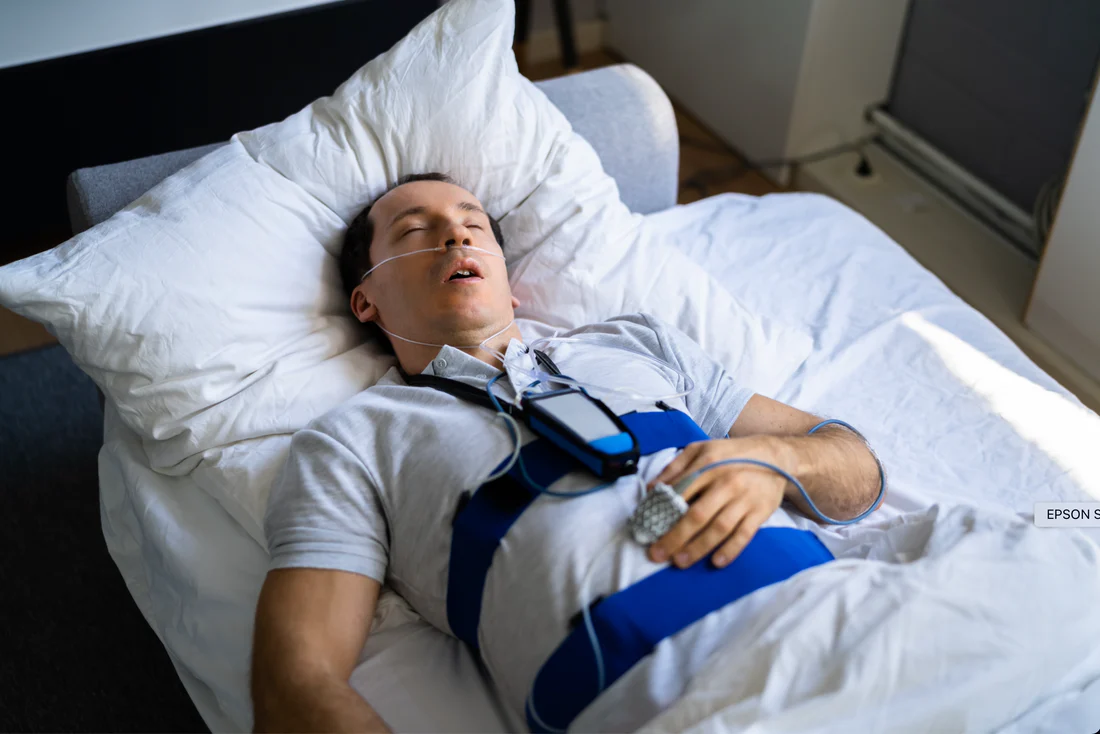
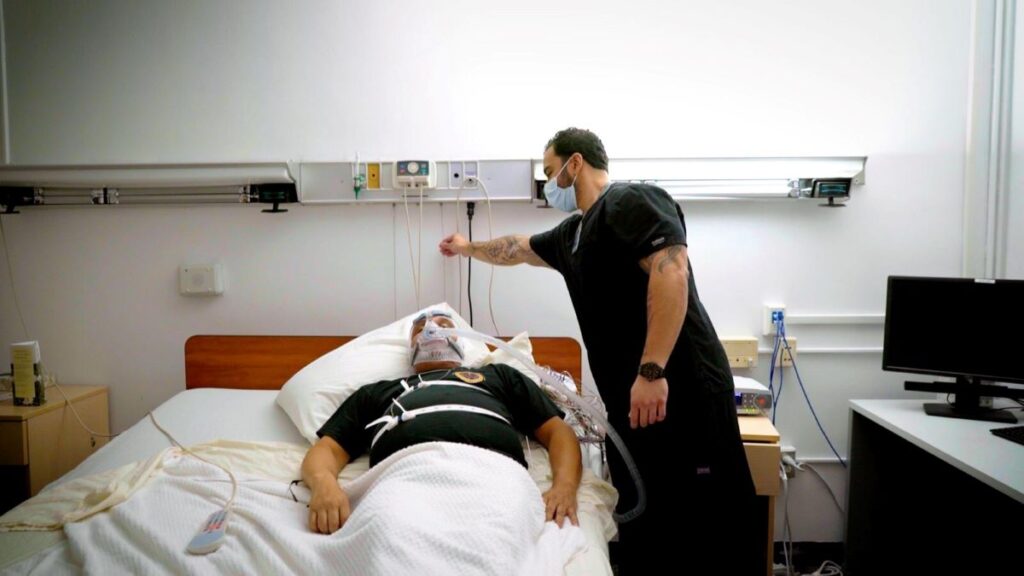
For in-lab sleep studies, you’ll be asked to arrive in the evening—usually around 7 or 8 PM. The setup involves attaching various sensors and monitoring devices to track your brain waves, breathing, oxygen levels, and body movements during sleep. The setup typically takes about 45 minutes to an hour.

Duration of the Overnight Sleep Test
The actual sleep monitoring lasts for about 6 to 8 hours. Most patients are observed overnight, from approximately 10 PM to 6 AM. During this time, technicians ensure that all sensors are functioning correctly, while you sleep in a comfortable, quiet room similar to a hotel environment. Read more about Sleep – stages, tips, disorders, apnoea.

Home-Based Sleep Studies
If you opt for a home sleep test, the process may differ slightly. You’ll collect the monitoring equipment from the clinic or have it delivered to your home. After receiving instructions, you’ll wear the sensors yourself and sleep in your own bed. The recording duration remains the same—around 6 to 8 hours overnight.

Post-Test Equipment Return and Data Collection
For home sleep studies, equipment is usually returned to the clinic the next morning. The collected data is downloaded and reviewed by a technician, which typically takes one to two business days. In-lab studies, on the other hand, already have data stored in the system by the time you wake up.

Data Analysis by Sleep Technicians and Specialists
Once your sleep data is collected, it undergoes detailed analysis. Sleep technicians review several parameters, including breathing irregularities, sleep stages, snoring intensity, and body movements. This process can take 3 to 5 days, depending on the clinic’s workload.

Consultation for Sleep Study Results
After the analysis, your sleep specialist reviews the findings and prepares a comprehensive report. You’ll then be scheduled for a follow-up consultation to discuss the results and potential treatment options. This step can occur within one to two weeks after your sleep study.

Total Time from Start to Results
From your first consultation to receiving the final results, the entire process of a sleep study in Brisbane usually takes between 2 to 3 weeks. In some cases, delays may occur due to high demand, but private clinics often offer quicker turnaround times.

What Affects the Timeline of Sleep Study Results
The overall timeline can vary based on factors such as the type of study (in-lab vs. home-based), the complexity of your sleep issues, and how busy the clinic is. Choosing a reputable Brisbane sleep clinic with efficient testing and analysis procedures can help ensure faster and more accurate results.

Related : Top 5 Common Issues Found During Sleep Testing in Hobart

FAQs About Sleep Studies in Brisbane

1. What is a sleep study?
A sleep study is a diagnostic test that monitors sleep patterns, breathing, oxygen levels, heart rate, and body movements to detect sleep disorders.
2. Where are sleep studies conducted in Brisbane?
Sleep studies in Brisbane can be performed in hospitals, specialized sleep clinics, or at home using portable monitoring equipment.
3. How long does a sleep study take?
From the initial consultation to receiving results, a sleep study typically takes 2 to 3 weeks. The overnight test itself lasts 6 to 8 hours.
4. What happens during an in-lab sleep study?
Patients arrive in the evening for sensor setup (45–60 minutes), then sleep in a quiet room while technicians monitor brain activity, breathing, and oxygen levels overnight.
5. How does a home-based sleep study work?
Patients receive or collect portable monitoring equipment, attach sensors themselves, and sleep at home for 6–8 hours. The equipment is returned the next day for data analysis.
6. How long does it take to analyze sleep data?
Technicians typically review collected data within 3 to 5 days, examining breathing events, sleep stages, snoring, and body movements.
7. When do patients receive their results?
After analysis, a sleep specialist prepares a report. Follow-up consultations to discuss results and treatment options usually occur within 1–2 weeks.
8. What factors affect the timeline of a sleep study?
The timeline can vary depending on study type (in-lab vs. home), clinic workload, and appointment availability.
9. What preparation is needed before a sleep study?
Patients are advised to avoid caffeine, alcohol, and naps on the day of the study to ensure accurate results.

Top 5 Common Issues Found During Sleep Testing in Hobart

Sleep testing in Hobart has become an essential diagnostic tool for identifying sleep disorders that affect both physical and mental health. Conducted in specialized clinics or at home with advanced monitoring devices, sleep studies help detect breathing irregularities, body movements, and sleep patterns. Many individuals are surprised to discover underlying issues that impact their rest without realizing it. Below, we explore the most common problems that appear during sleep testing and how they are managed effectively.

Obstructive Sleep Apnea (OSA)

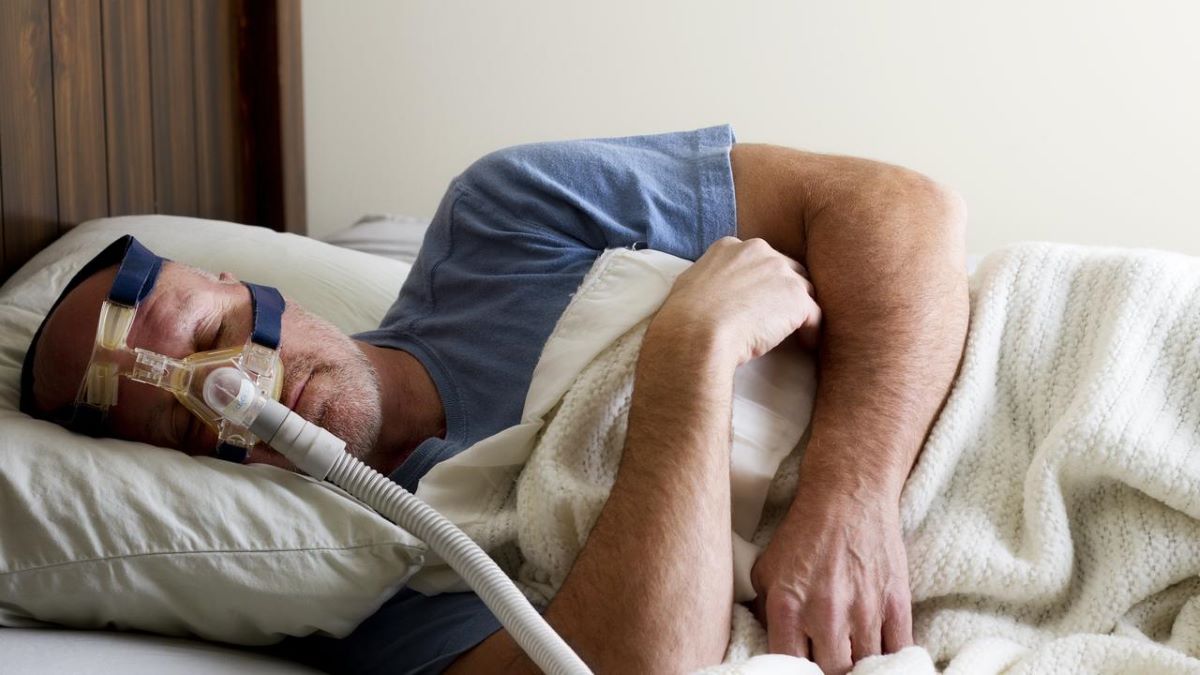
One of the most frequently diagnosed conditions identified during sleep testing in Hobart is obstructive sleep apnea. This condition occurs when the airway collapses or becomes blocked during sleep, leading to repeated interruptions in breathing. Common symptoms include loud snoring, morning headaches, and daytime fatigue. Continuous Positive Airway Pressure (CPAP) therapy is often recommended as the primary treatment.

Central Sleep Apnea

Unlike OSA, central sleep apnea occurs when the brain fails to send proper signals to the muscles that control breathing. It’s less common but often detected during advanced sleep tests. This condition may be linked to underlying neurological or heart-related issues. Treatments vary from adaptive servo-ventilation to medication and lifestyle adjustments.

Insomnia-Related Disorders

Sleep testing frequently reveals insomnia, where individuals struggle to fall or stay asleep. Stress, anxiety, and poor sleep hygiene are major contributors. Sleep specialists in Hobart often use data from the study to identify patterns such as delayed sleep onset or frequent awakenings, helping to design targeted therapies like Cognitive Behavioural Therapy for Insomnia (CBT-I).

Periodic Limb Movement Disorder (PLMD)

PLMD is characterized by repetitive, involuntary leg movements during sleep. This can severely disturb sleep quality, even if the person is unaware of it. Polysomnography results usually show rhythmic muscle activity during non-REM stages, allowing doctors to prescribe appropriate medications or recommend iron supplementation if needed.

Restless Legs Syndrome (RLS)

Closely related to PLMD, Restless Legs Syndrome causes uncomfortable sensations in the legs and a strong urge to move them before sleep. Sleep testing helps distinguish RLS from other disorders and ensures patients receive correct treatment such as dopamine agonists or lifestyle changes like reducing caffeine and maintaining regular sleep schedules.

Snoring and Upper Airway Resistance

While occasional snoring is common, habitual snoring detected during a sleep study can indicate more serious issues like upper airway resistance syndrome (UARS). This condition involves partial obstruction of airflow, leading to disrupted sleep and fatigue. Treatment may involve positional therapy, oral appliances, or nasal breathing aids.

sleep testing hobart

Circadian Rhythm Disorders

Sleep testing in Hobart often uncovers irregular sleep-wake patterns due to circadian rhythm misalignment. These disorders are common among shift workers or people exposed to inconsistent light cycles. Specialists may recommend light therapy, melatonin, and strict sleep routines to help realign the body’s internal clock.

Hypopnea Events

Many sleep tests reveal hypopnea — shallow breathing episodes that reduce oxygen levels but don’t cause full apnea. Frequent hypopnea can lead to sleep fragmentation and excessive daytime sleepiness. Proper diagnosis ensures treatment plans that restore healthy oxygen flow during sleep.

Sleep Bruxism

Teeth grinding, or sleep bruxism, often shows up in sleep studies as jaw muscle activity and micro-arousals. Left untreated, it can lead to tooth damage, jaw pain, and headaches. Dentists and sleep experts may recommend custom mouthguards or stress management strategies to reduce its effects.

See Also : How Long Does a Sleep Study in Brisbane Take From Start to Results?

REM Sleep Behavior Disorder (RBD)

In RBD, people physically act out dreams due to a lack of normal muscle paralysis during REM sleep. This condition can be dangerous if the person moves violently during dreams. Sleep testing identifies abnormal muscle activity during REM stages, and treatment often involves medication and ensuring a safe sleep environment.

Conclusion

Sleep testing in Hobart provides critical insight into a wide range of disorders, from apnea and insomnia to movement and behavioral issues. Identifying these conditions early ensures better treatment outcomes and improved overall health. If you experience fatigue, snoring, or restless sleep, booking a professional sleep assessment is the first step toward restorative rest and better well-being.

FAQs About Sleep Testing in Hobart

1. What is sleep testing in Hobart?
Sleep testing is a diagnostic procedure conducted in clinics or at home to monitor sleep patterns, breathing, and body movements, helping detect sleep disorders.
2. What conditions can be diagnosed through sleep testing?
Commonly detected conditions include obstructive and central sleep apnea, insomnia, periodic limb movement disorder, restless legs syndrome, snoring, circadian rhythm disorders, hypopnea, sleep bruxism, and REM sleep behavior disorder.
3. What is obstructive sleep apnea (OSA) and how is it treated?
OSA occurs when the airway becomes blocked during sleep, causing breathing interruptions. CPAP therapy is the primary treatment.
4. How does central sleep apnea differ from OSA?
Central sleep apnea happens when the brain fails to signal breathing muscles. Treatment may involve adaptive servo-ventilation, medication, or lifestyle changes.
5. Can sleep testing detect insomnia?
Yes, it identifies sleep onset delays and frequent awakenings, helping specialists recommend therapies like Cognitive Behavioural Therapy for Insomnia (CBT-I).
6. What are periodic limb movement disorder (PLMD) and restless legs syndrome (RLS)?
PLMD involves repetitive leg movements during sleep, while RLS causes uncomfortable sensations and urges to move the legs. Sleep testing distinguishes between the two for targeted treatment.
7. How does sleep testing help with snoring and upper airway resistance?
It identifies habitual snoring and conditions like upper airway resistance syndrome (UARS), guiding treatments such as positional therapy, oral appliances, or nasal aids.
8. What other sleep issues can be detected?
Sleep testing can uncover circadian rhythm disorders, hypopnea episodes, sleep bruxism, and REM sleep behavior disorder, allowing for personalized treatment plans.
9. Why is early detection through sleep testing important?
Early diagnosis enables effective treatment, reduces health risks, and improves overall sleep quality, energy levels, and well-being.

The Pros and Cons of Laser Eye Surgery: A Patient’s Perspective

Laser eye surgery has revolutionized the way millions experience the world. No longer tethered to glasses or contacts, people are enjoying newfound clarity and freedom. But as with any medical procedure, it comes with both upsides and trade-offs. This article delves into the pros and cons—through the eyes of someone who’s been there—so you can make an informed decision.


Introduction: What Is Laser Eye Surgery and Why Do People Choose It?

Laser eye surgery, including techniques such as LASIK, PRK, and SMILE, reshapes the cornea—the clear front part of your eye—to correct refractive errors like nearsightedness, farsightedness, and astigmatism. The goal is to reduce your dependency on glasses or contact lenses and improve your everyday vision.

Why do people consider laser eye surgery? Some are tired of dealing with foggy lenses or dry contacts. Others want to excel in sports without eyewear. Many find it liberating to wake up and see clearly without fumbling for glasses. Whatever the reason, the decision often starts with the hope of clearer vision—and a simpler life.


1. Before Surgery: The Journey Begins

The Consultation and Exam

My journey started with a full consultation at an eye clinic. Detailed tests measured my corneal thickness, eye pressure, tear production, and prescription stability. The doctor also asked about my lifestyle, expectations, and general health.

Eligibility Criteria and Preparation

Not everyone qualifies for laser eye surgery. Ideal candidates:

  • Are at least 18 and have had stable vision for a year
  • Have healthy eyes and sufficient corneal thickness
  • Do not have certain autoimmune conditions or untreated eye infections

I was told to stop wearing contact lenses a few days before tests, avoid eye makeup on surgery day, and arrange someone to drive me home afterward.


2. During Surgery: What It’s Like

LASIK Procedure

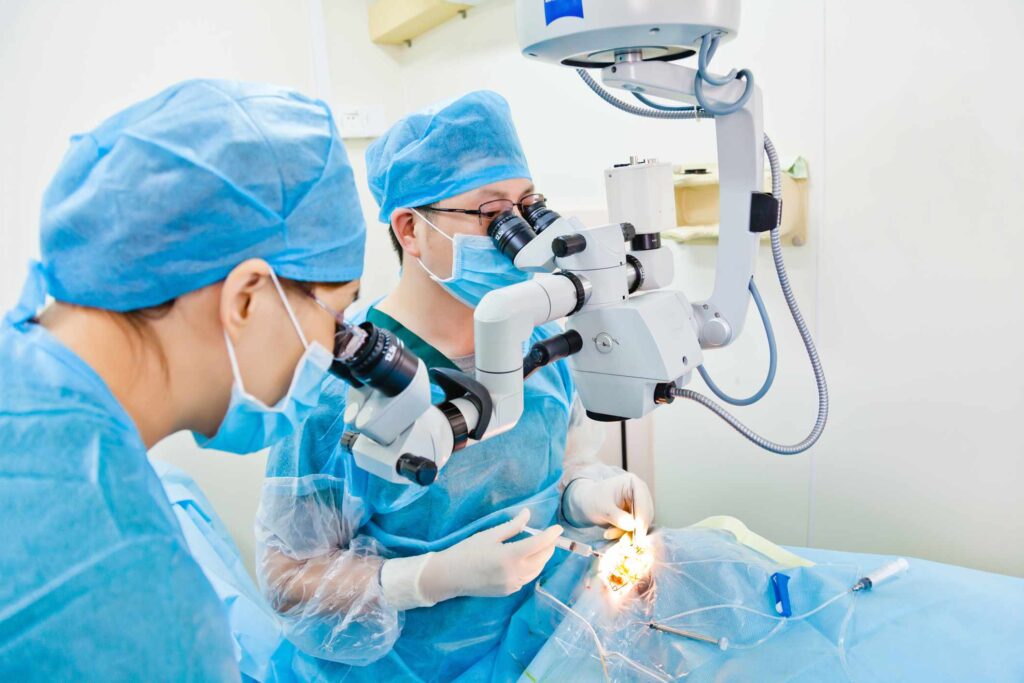
On surgery day, numbing eye drops were applied—no injections. A device held my eyelid open. I felt light pressure when a flap was created in the cornea using a laser, then the underlying tissue was shaped and the flap gently repositioned. The whole process took under 20 minutes for both eyes.

Is It Painful?

I was nervous, but the experience was surprisingly calm. No sharp pain—just pressure and bright lights. Some described it like gently pressing on your eyelid.

Equipment Used

Specialized lasers like the femtosecond and excimer lasers ensure accuracy and speed. It’s kind of like precision-engineering a delicate instrument.


laser eye surgery

3. After Surgery: Recovery and Adjustment

Immediate Recovery

Back at the clinic I rested for around 30 minutes. My eyes felt scratchy, watery, and light-sensitive—like poking sand into them. I wore sunglasses and slept on the way home.

See more: How to Choose the Best CPAP Masks for Maximum Comfort and Effectiveness

Post-Op Care

I used prescribed drops to prevent infection and inflammation. I avoided swimming, heavy exercise, and rubbing my eyes for at least a week. By day two, my vision had improved significantly. Brightness and sharpness came back fast.

Follow-Up Visits

I had checkups at 24 hours, one week, and one month post-surgery to ensure everything healed properly.


4. Pros: Why Laser Eye Surgery Was Worth It

1. Improved Vision

My blurry vision was corrected to nearly 20/20. No more foggy mornings or lost glasses.

2. Convenience

No more contact lens cases or prescription checks—just freedom.

3. Lifestyle Flexibility

I can swim or exercise without worrying about lens hygiene or breakage.

4. Emotional and Financial Benefits

Daily comfort, increased confidence in social settings, and less spending on eyewear over time.

5. Long-term Results

For me and many others, the effect has lasted for years with minimal changes in vision.


5. Cons: Potential Downsides and Discomfort

1. Not Instant Perfection

While most patients see well within 24–48 hours, it can take weeks for your vision to fully stabilize.

2. Temporary Discomfort

Dry eyes, glare/halo effects around lights, and light sensitivity are common for a few weeks.

3. Risk of Incomplete Correction

Some individuals may still need a prescription for reading glasses or mild enhancements later.

4. Rare Complications

Issues like infection, flap complications (in LASIK), or vision regression are uncommon, but they exist.

5. Cost Considerations

Laser eye surgery is a medical expense not typically covered by insurance. The upfront cost can be significant, though many see it as a long-term savings.


6. Risks and Expectations

Realistic Expectations

Most people achieve 20/20 or close to it. But you should understand that aging eyes may still need reading glasses later in life due to presbyopia.

Possible Complications

These are uncommon but possible:

  • Dry eye syndrome
  • Night vision issues
  • Overcorrection or undercorrection
  • Surgical flap issues (LASIK only)
  • Corneal haze (more common with PRK)

Your surgeon should discuss these in detail so you’re fully informed.


Real-World Analogy

Think of laser eye surgery like upgrading your phone’s camera. The image becomes sharper and more vivid—but it won’t prevent software updates or aging battery issues in the future. It improves vision now, but aging eyes still change over time.


Conclusion: Making the Right Choice for You

Laser eye surgery offers remarkable benefits—improved vision, greater freedom, and enhanced quality of life. Yet it also includes potential discomfort, recovery time, and rare risks. Whether it’s right for you depends on your lifestyle, expectations, and eye health.

If you’re considering this path, schedule a professional consultation, ask thoughtful questions, and think about how improved vision could change your day-to-day life. Many who go through the process describe it as transformative—not just for their eyes, but for their confidence and daily comfort.


Next Steps

  • Book a reputable surgeon consultation.
  • Come prepared with questions and honest expectations.
  • Ensure you follow pre-surgery instructions and post-op care carefully.

Laser eye surgery isn’t the right choice for everyone—but for many, it truly is a life-changing decision worth exploring.

How to Choose the Best CPAP Masks for Maximum Comfort and Effectiveness

Selecting the right CPAP (Continuous Positive Airway Pressure) mask is crucial to ensuring effective therapy for those with sleep apnea. A good mask not only enhances comfort but also maximizes the treatment’s overall effectiveness. This article provides a comprehensive guide on understanding CPAP masks, the various types available, important factors to consider, tips for comfort, and how to maintain effectiveness.

Understanding the Importance of a Good CPAP Mask

CPAP therapy is fundamentally designed to keep airways open during sleep, thereby improving breathing and overall health. A well-fitted mask is essential in achieving these therapeutic goals. An inadequate mask can lead to issues such as air leaks, discomfort, and non-compliance with the therapy.

In conclusion, selecting the best CPAP mask is a foundational step in ensuring effective treatment for sleep apnea. By understanding the different types of masks, considering all relevant factors, and applying practical tips for comfort and maintenance, users can significantly enhance their CPAP therapy experience.

sleep-apnea

The Role of CPAP Masks in Sleep Apnea Treatment

CPAP masks serve a critical function by delivering a steady stream of air into the lungs, ensuring that the airways remain unobstructed. This is particularly significant for individuals suffering from obstructive sleep apnea, a condition characterized by repeated interruptions in breathing during sleep.

Without a quality mask, the effectiveness of the CPAP machine diminishes significantly, leading to poor sleep quality and potential health complications. Therefore, understanding the various aspects of CPAP masks is vital for patients and caregivers alike. The market offers a variety of mask styles, including nasal masks, full-face masks, and nasal pillows, each designed to cater to different preferences and needs. Patients should engage in discussions with their healthcare providers to determine which type of mask aligns best with their lifestyle and comfort level.

How Comfort and Effectiveness Impact CPAP Therapy Success

Comfort and efficacy are inextricably linked in CPAP therapy. A mask that is uncomfortable can lead to non-adherence, meaning patients may not use the machine as directed. On the other hand, a comfortable mask that fits well can enhance the patient’s willingness to wear it consistently.

This seamless integration of comfort and effectiveness is crucial. Patients must consider their daily experiences, which can significantly impact their long-term health outcomes. Finding the right mask can transform the CPAP experience from a discomforting obligation into a seamless part of the nighttime routine. Additionally, many modern CPAP masks come equipped with features such as adjustable headgear, soft cushioning, and even built-in exhalation ports to minimize noise and enhance comfort. These innovations not only improve the user experience but also encourage better adherence to therapy, ultimately leading to improved health and quality of life. Find more about adherence on https://pmc.ncbi.nlm.nih.gov/articles/PMC10324868/

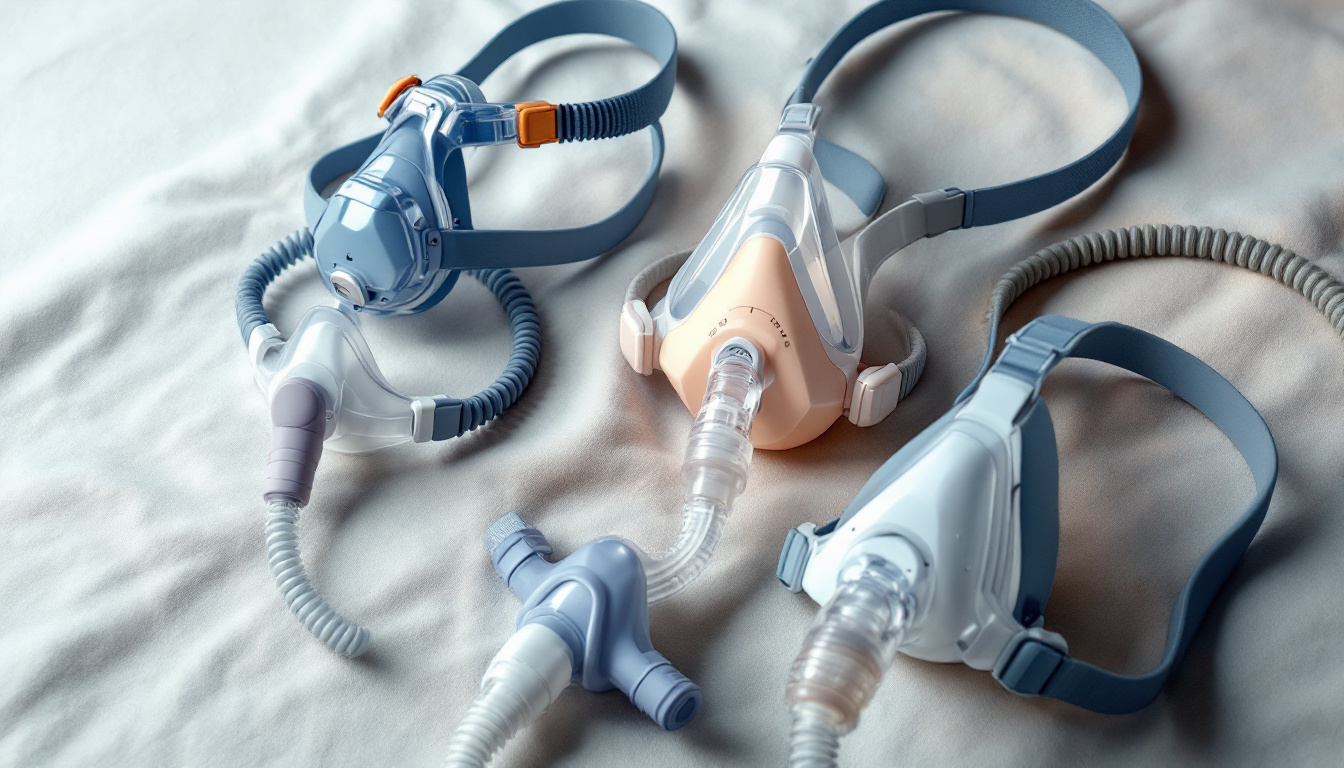
Different Types of CPAP Masks

CPAP masks come in various designs tailored to meet the diverse needs of users. Understanding these different types can help individuals make informed choices based on comfort, lifestyle, and specific treatment requirements.

Section Image

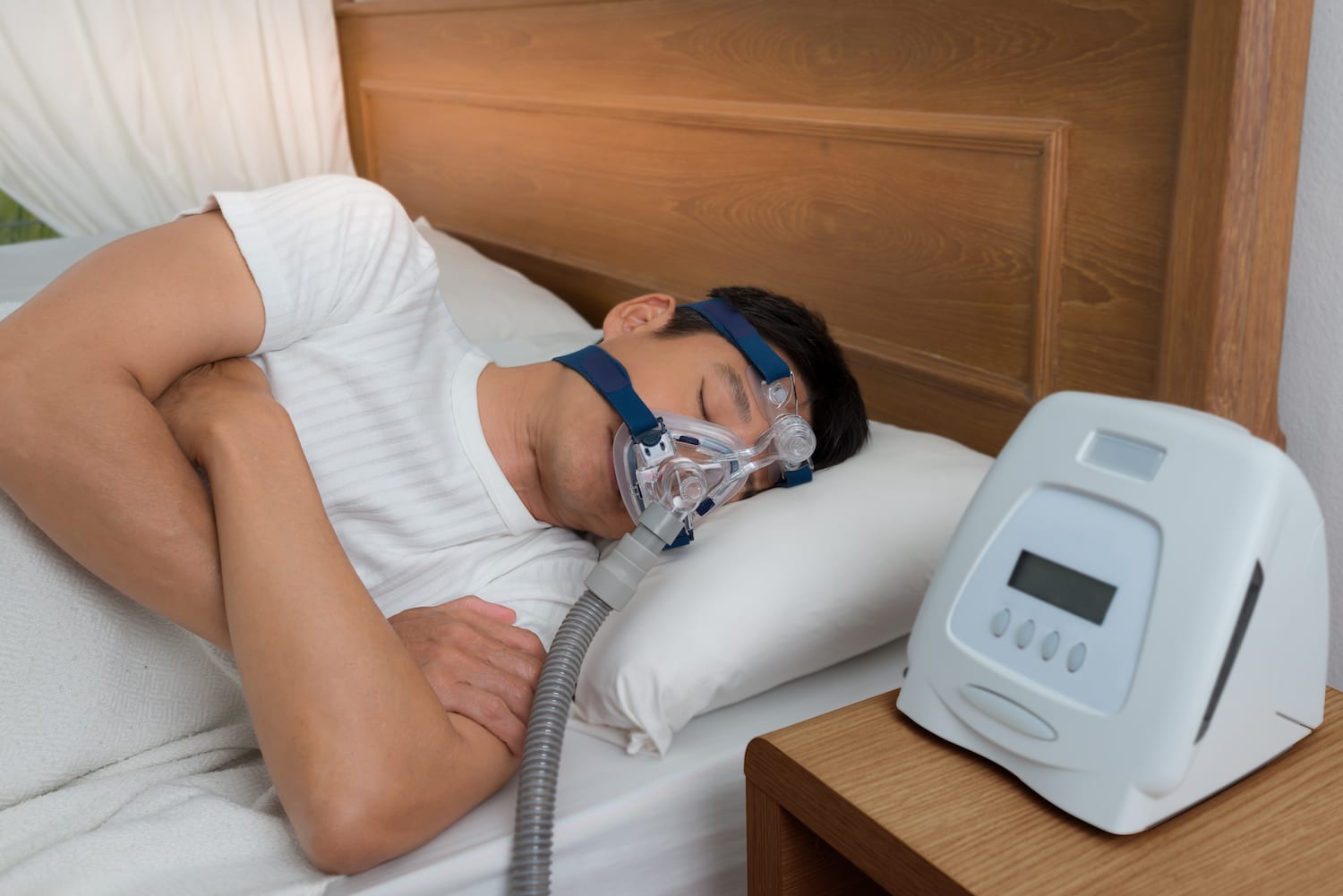
Full Face Masks

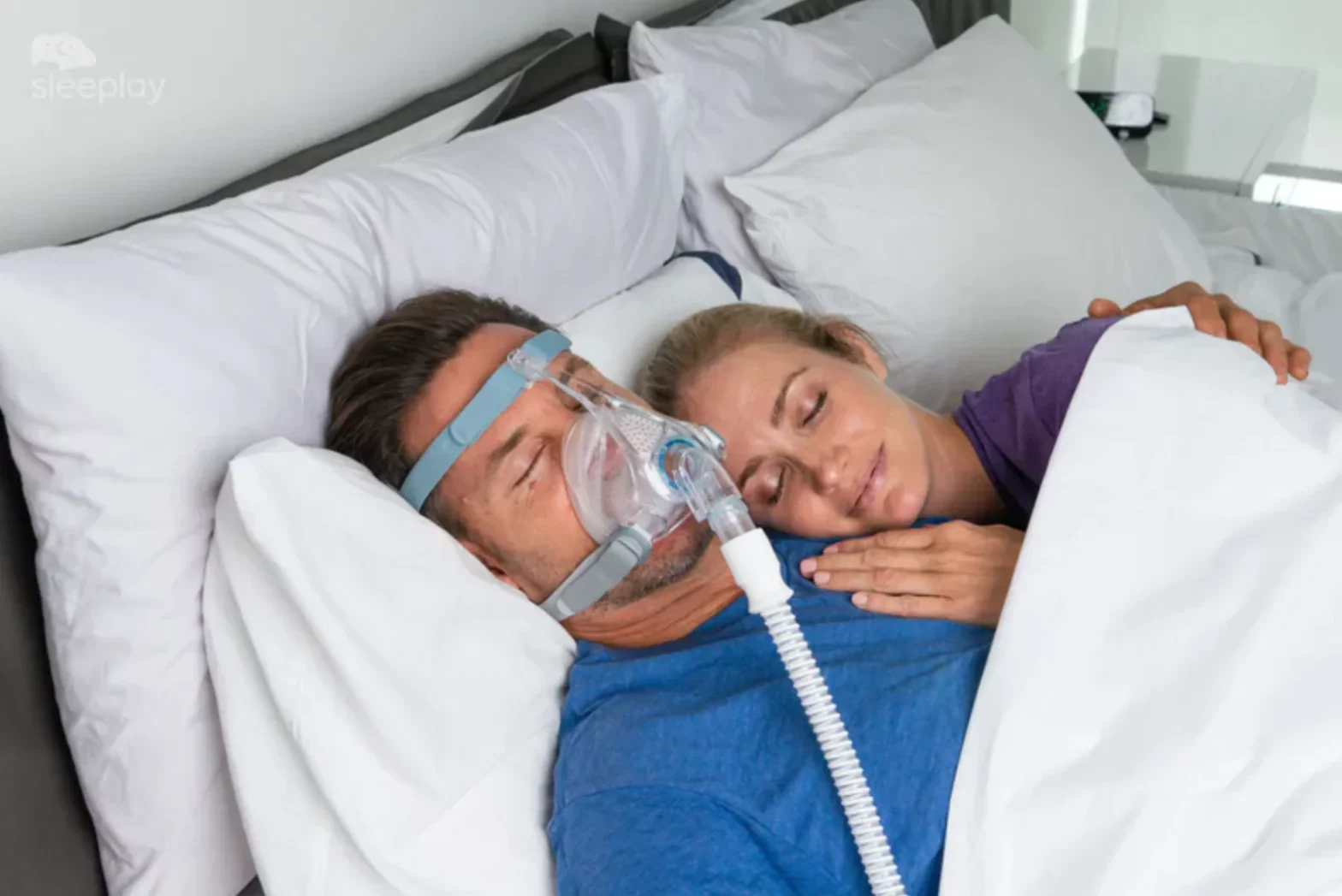
Full face masks cover both the nose and mouth, making them ideal for patients who breathe through their mouths, especially during sleep. These masks are particularly beneficial for those who may experience air leaks if only a nasal mask is used.

However, some users may find full face masks bulky or claustrophobic. It’s essential to try different styles to determine which provides the best balance of comfort and functionality. Many full face masks now come with adjustable straps and softer materials to enhance user comfort, reducing the likelihood of irritation during extended use. Additionally, some models are designed with a quick-release feature, allowing users to easily remove the mask without having to readjust the entire setup, which can be particularly helpful during nighttime bathroom trips.

Nasal Masks

Nasal masks only cover the nose and are a popular choice among CPAP users. They can be lighter and less intrusive than full face options, making them a suitable choice for those who predominantly breathe through their nose.

These masks are generally easier to wear comfortably, but users must ensure that they do not breathe through their mouths during sleep to avoid air leaks. The right nasal mask can provide effective therapy while maintaining a sense of comfort. Many nasal masks now feature innovative designs that include flexible nasal cushions, which conform to the user’s face for a better seal and reduced pressure points. Furthermore, some models are equipped with built-in exhalation ports that help to disperse exhaled air quietly, minimizing disturbance to sleeping partners. To read more about pressure click here.

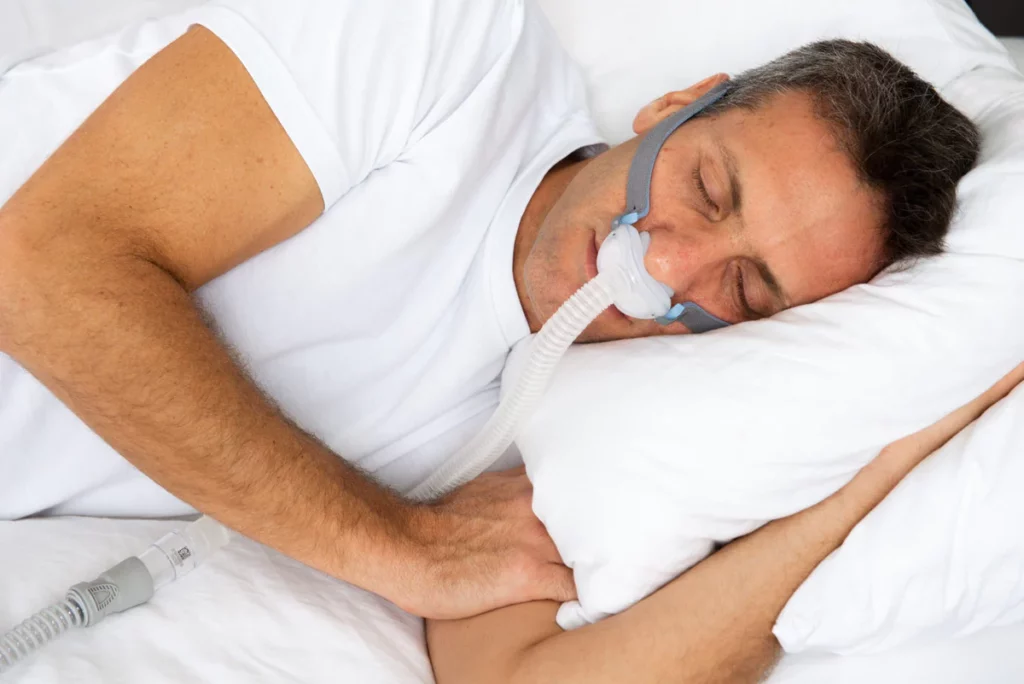
Nasal Pillow Masks

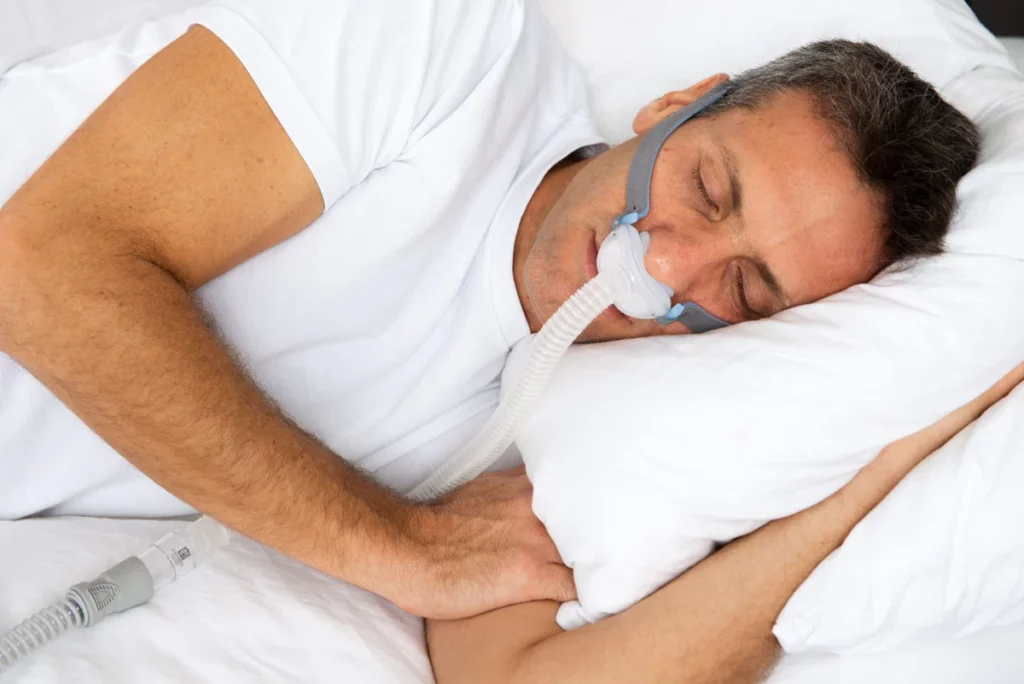
Nasal pillow masks consist of a small cushion that fits directly into the nostrils. They are often favored for their minimalistic design and are comfortable for those who feel trapped or restricted by larger masks.

While these masks offer a lightweight solution, they may not be suitable for individuals with severe airway obstruction requiring higher pressures, as they might not deliver air as effectively as full face or regular nasal masks. Users who opt for nasal pillow masks often appreciate the freedom of movement they allow, making them an excellent choice for side sleepers. Additionally, many nasal pillow masks come with adjustable angles to ensure a better fit and seal, which can significantly enhance the overall therapy experience. For those who are active sleepers or enjoy reading or watching television before bed, nasal pillow masks can provide the necessary comfort without compromising on therapy efficacy.

Factors to Consider When Choosing a CPAP Mask

Choosing the right CPAP mask involves several personal and practical considerations that can significantly impact the user experience. Evaluating these factors can guide users toward the best choice for their particular needs.

Size and Fit

The size and fit of a CPAP mask are among the most critical factors to consider. A mask that is too loose will result in air leaks, undermining the treatment’s effectiveness. Conversely, a mask that is too tight can cause discomfort and skin irritations.

Many manufacturers offer sizing guides and templates to help users find their optimal fit. Visiting a sleep clinic or consulting a CPAP provider can also ensure that users select the right size based on personal measurements.

Your Sleep Position

Your typical sleep position can influence your choice of a CPAP mask. Side sleepers may benefit from masks designed to reduce pressure on the face or those that can accommodate movement during the night. In contrast, back sleepers might find greater success with full face masks.

Understanding how your sleeping habits interact with mask design choices is vital for maximizing comfort and ensuring effective therapy throughout the night.

Your Breathing Style

The way you breathe while sleeping—through your nose, mouth, or a combination of both—plays a significant role in determining the most suitable type of CPAP mask. Mouth breathers typically require full face masks, while nasal breathers may find nasal or nasal pillow masks to be more comfortable and appropriate.

Identifying your natural breathing style will guide you toward a mask that minimizes discomfort and enhances the overall effectiveness of CPAP therapy.

Tips for Ensuring Maximum Comfort

Ensuring maximum comfort while using a CPAP mask is essential for effective therapy. Here are some practical tips to enhance your overall experience.

Adjusting for a Proper Fit

Taking the time to adjust your CPAP mask properly can lead to significant improvements in comfort. Follow the manufacturer’s guidelines to ensure the mask is snug but not overly tight. It should form a secure seal against the skin without causing pressure points or discomfort.

Regular adjustments may be necessary, as weight fluctuations, facial changes, or new sleep positions can affect how the mask fits over time.

Dealing with Common Discomfort Issues

Common issues such as skin irritation or pressure sores can often be addressed with simple solutions. Using hypoallergenic mask liners can provide a protective barrier between the mask material and the skin, reducing irritation.

Additionally, exploring various mask styles and interfaces tailored to your skin type and sensitivities can lead to a more comfortable experience overall.

Enhancing the Effectiveness of Your CPAP Mask

To maintain the effectiveness of your CPAP therapy, consistent care and maintenance of your mask and equipment are essential. Here are key strategies to consider.

Regular Cleaning and Maintenance

Regularly cleaning your CPAP mask prevents the buildup of bacteria, allergens, and other contaminants that can adversely affect your health. It’s advised to wash the mask daily using mild soap and warm water, ensuring that it’s thoroughly rinsed and dried before use.

Additionally, the hose and machine should also undergo regularly scheduled maintenance as per manufacturer guidelines to maximize the effectiveness of your CPAP therapy.

When to Replace Your CPAP Mask

Over time, CPAP masks can wear down and become less effective. It’s crucial to recognize signs of wear, such as cracks, tears, or loss of elasticity in headgear. Most manufacturers recommend replacing masks every 6 to 12 months, but personal usage and care can dictate this timeline.

Keeping track of your equipment’s condition can enhance overall effectiveness and protect your health, ensuring that CPAP therapy remains beneficial throughout its duration.

Other resources: Everything You Need to Know About CPAP Masks for a Comfortable Night’s Sleep

Everything You Need to Know About CPAP Masks for a Comfortable Night’s Sleep

Understanding the Role of CPAP Masks

Continuous Positive Airway Pressure (CPAP) masks are a crucial element in managing sleep apnea, a condition characterized by repeated interruptions in breathing during sleep. These masks work by delivering a constant flow of air to keep the airway open, ensuring that the user can breathe freely and comfortably through the night.

The primary role of a CPAP masks is to create a seal around the nose and/or mouth, allowing the pressurized air from the CPAP machine to enter the respiratory system. This consistent airflow helps to prevent the airway from collapsing, which is often the case in obstructive sleep apnea.

The Purpose of CPAP Therapy

The purpose of CPAP therapy extends beyond merely keeping the airway open. By maintaining steady airflow, CPAP therapy effectively reduces the risks associated with sleep apnea, including daytime fatigue, hypertension, heart disease, and even stroke. Regular use of a CPAP mask can lead to significant improvements in sleep quality and overall health.

Moreover, patients often report enhanced mood, increased cognitive function, and better concentration levels, as sleep apnea can lead to a myriad of non-physical issues such as irritability and memory problems. The positive effects of CPAP therapy can also extend into social interactions, as improved sleep often translates to better emotional regulation and interpersonal relationships, allowing individuals to engage more fully in their daily lives.

cpap masks

How CPAP Masks Aid in Sleep Apnea Treatment

CPAP masks play a pivotal role in ensuring that the air supplied accommodates the user’s unique breathing patterns. The masks come in various styles and sizes to suit different preferences, making it easier for patients to find one that feels most comfortable while still being effective.

In addition to delivering air, many modern CPAP masks feature technology designed to minimize noise levels and improve comfort during sleep. Enhanced design options allow users to enjoy high-quality sleep without the disturbance caused by the machine’s airflow or mask pressure. Furthermore, advancements in materials have led to softer, more breathable fabrics that reduce skin irritation and enhance the overall user experience. Many masks now also include adjustable straps and customizable features to ensure a secure fit, which is essential for maintaining the necessary seal and maximizing the effectiveness of the therapy.

Additionally, the variety of CPAP masks available—ranging from nasal pillows to full-face masks—means that patients can choose a solution that best fits their sleeping habits and comfort levels. For instance, those who are claustrophobic might prefer a nasal pillow mask that covers only the nostrils, while others who breathe through their mouth during sleep may find a full-face mask more suitable. This flexibility in options not only fosters adherence to therapy but also empowers patients to take an active role in their treatment journey, leading to better long-term outcomes. Read more about adherence on https://pmc.ncbi.nlm.nih.gov/articles/PMC10324868/

Different Types of CPAP Masks

When considering CPAP therapy, it’s crucial to understand that there are several types of CPAP masks available, each designed for specific needs and preferences. Choosing the right type can significantly affect your comfort and compliance with therapy.

Full Face Masks

Full face masks cover both the nose and mouth, allowing for effective delivery of air. This type is particularly ideal for individuals who breathe through their mouths or have nasal obstructions. The design helps create a tight seal that ensures no air leaks, which can often be a problem with other mask types.

While many users appreciate the full coverage these masks provide, some may find them bulkier than other options, potentially impacting comfort for some users during sleep. Additionally, full face masks can be beneficial for those who experience seasonal allergies or sinus issues, as they can deliver a steady stream of air that helps keep airways open. However, users should also consider the maintenance involved, as these masks often require regular cleaning to prevent the buildup of bacteria and ensure optimal performance.

Nasal Masks

Nasal masks are designed to cover just the nose. They are typically smaller and lighter than full face masks, providing a less restrictive feel. The focused airflow is useful for those who do not require mouth breathing during sleep.

These masks can be an optimal choice for individuals who experience mask discomfort with full face masks, leading to improved compliance as they are often less obtrusive during sleep. Furthermore, nasal masks often come with adjustable straps and cushions, allowing users to customize the fit for maximum comfort. Users may also find that nasal masks are less likely to cause skin irritation or pressure sores, making them a preferred option for those with sensitive skin. Click here to find more about irritation.

Nasal Pillow Masks

Nasal pillow masks are even more compact and consist of soft pillows that fit comfortably at the entrance of the nostrils. They are an excellent choice for users seeking minimal contact with the face, allowing for a more natural sleeping position.

The advantages of nasal pillow masks include reduced pressure points and excellent visibility, making them popular among restless sleepers who frequently change positions during the night. Additionally, these masks are often favored by active sleepers or those who wear glasses, as the design allows for more freedom of movement and less obstruction. Users should also note that nasal pillow masks can be a great option for travel, as their lightweight and compact nature makes them easy to pack and carry, ensuring that therapy can continue uninterrupted even on the go.

Choosing the Right CPAP Mask for You

Choosing the right CPAP mask is a personal decision that can greatly impact your comfort and adherence to therapy. It is essential to consider various factors before making your selection.

Factors to Consider

  1. Comfort: Ensure the mask feels good on your face and does not cause discomfort during sleep.
  2. Fit: Proper sizing is crucial. Masks should fit snugly without being tight, reducing the chances of air leakage.
  3. Breathing style: Consider your breathing habits, including whether you primarily breathe through your mouth or nose.

Comfort vs. Functionality

While comfort is undoubtedly important, functionality is equally essential. A mask that feels comfortable but does not provide the necessary therapy could undermine the effectiveness of CPAP treatment.

Finding the right balance between these two elements is key. Many users benefit from seeking professional advice from healthcare providers who can guide them in choosing a CPAP mask that meets both comfort and functional requirements.

In addition to these considerations, it’s vital to explore the different types of CPAP masks available on the market. Full-face masks are ideal for those who breathe through their mouths or require higher pressure settings, while nasal masks may be suitable for individuals who primarily breathe through their noses. There are also nasal pillows, which provide a less intrusive option that sits at the entrance of the nostrils. Each type has its unique advantages and may cater to different sleeping positions and preferences.

Moreover, it’s worth noting that the material of the mask can significantly influence your experience. Masks made from soft silicone or gel can offer enhanced comfort and reduce the likelihood of skin irritation, while those with adjustable straps can provide a more customized fit. Regular maintenance and cleaning of your mask are also crucial for ensuring optimal performance and longevity, as well as for preventing any potential health issues related to bacteria build-up. Taking the time to find the right mask can lead to a more restful night’s sleep and improved overall health.

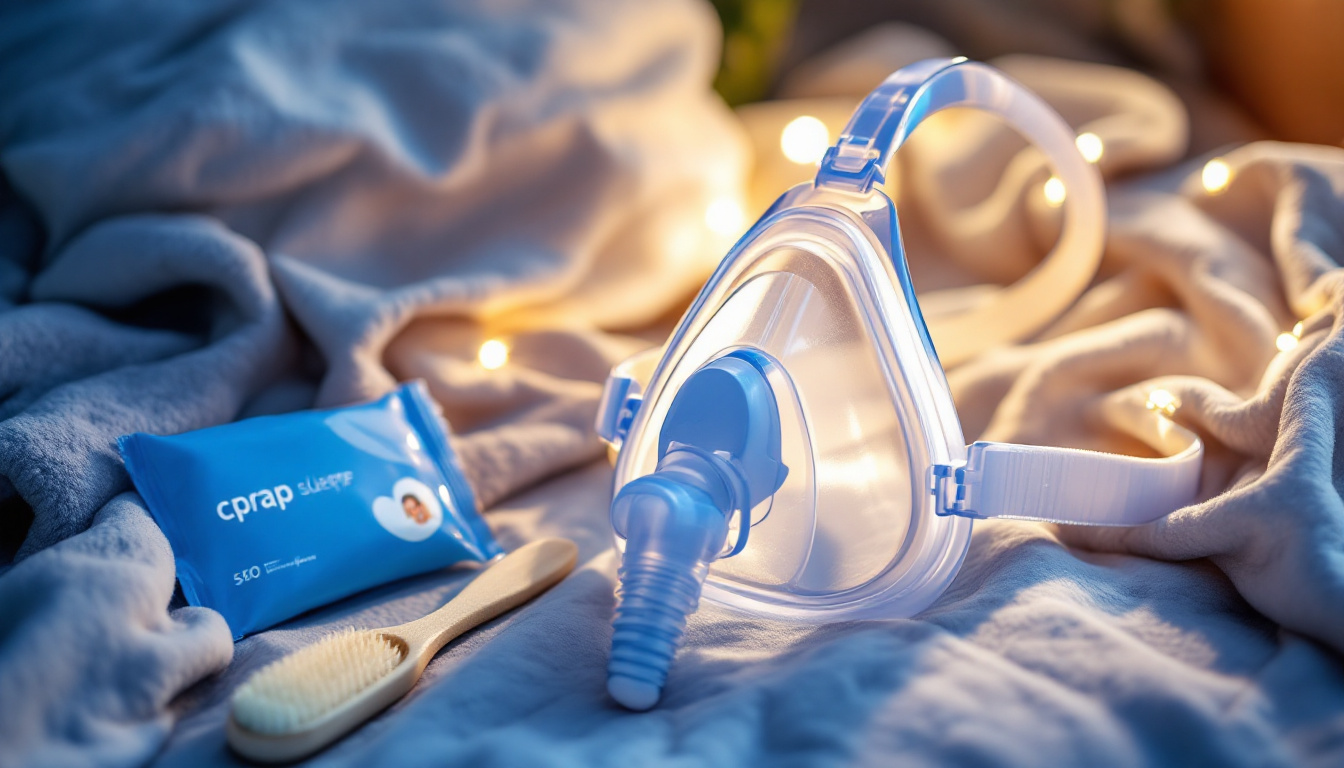
Proper Maintenance and Cleaning of CPAP Masks

To ensure the longevity and effectiveness of CPAP masks, proper maintenance and cleaning are paramount. Regular cleaning routines help prevent the buildup of germs and other harmful pathogens.

Section Image

Daily Cleaning Routine

Your daily maintenance routine should involve washing the mask cushion in warm soapy water after each use. Rinse thoroughly to remove all soap residue, which can irritate the skin or airways. Additionally, wipe down the exterior of the mask with a clean, damp cloth to prevent any buildup of oils or moisture.

It’s also important to check the headgear and straps for wear and tear, as these can significantly impact mask functionality over time.”

Weekly Deep Cleaning

In addition to daily maintenance, a thorough weekly cleaning is recommended. This involves disassembling the mask components and soaking them in warm, soapy water before rinsing thoroughly. Allow all parts to air dry completely before reassembling and using the mask again.

A deeper clean helps remove any accumulated dirt or bacteria that regular cleaning may not fully eliminate, ensuring optimal hygiene for each night’s rest.”

Troubleshooting Common CPAP Mask Problems

Despite the many benefits of CPAP therapy, users often encounter common problems that can interfere with their sleep experience. Recognizing and troubleshooting these issues is vital for effective use.

Dealing with Leaks

Air leaks can occur due to improper fit, mask displacement, or wear and tear. If you experience leaks, ensure that the mask is correctly positioned and that any adjustments are made to fit it snugly without causing discomfort.

Additionally, always check for signs of wear on the mask, including cracks or hardened areas, which may require replacement to maintain an effective seal.”

Managing Discomfort and Skin Irritation

It’s not uncommon for users to experience discomfort or skin irritation from prolonged use of their CPAP mask. Finding the right type of mask can significantly alleviate these issues. Consider using skin-friendly moisturizers that create a barrier between the mask and skin.

Moreover, adjusting the mask straps can help distribute pressure more evenly across the face, reducing points of irritation. If problems persist, consult with a healthcare professional for further recommendations.”

Read more at: How to Choose the Best CPAP Masks for Maximum Comfort and Effectiveness

Sleep Study Wollongong: Your Local Option for Sleep Health Checks

In today’s fast-paced world, sleep is often overlooked, yet it plays a crucial role in our wellbeing. Understanding the importance of sleep health is the first step towards ensuring a better quality of life. In Wollongong, Sleep Study Wollongong offers a vital service to those looking to improve their sleep patterns and address sleep-related concerns.

Understanding the importance of sleep health

Sleep is an essential function that is often underappreciated. For adults, it is recommended to aim for 7-9 hours of sleep each night. This isn’t just about rest; it’s about allowing the body to recover, heal, and regenerate. Adequate sleep contributes to mental clarity, emotional stability, and physical health. Furthermore, the quality of sleep is just as important as the quantity. Deep sleep stages, particularly REM (Rapid Eye Movement) sleep, are crucial for cognitive functions such as memory consolidation and learning. Without sufficient deep sleep, one may find it difficult to focus and retain information, which can affect performance in both professional and personal spheres.

In conclusion, sleep study Wollongong is a valuable resource for anyone seeking to understand and improve their sleep health. From comprehensive assessments to ongoing management, they are committed to helping the community achieve better sleep.

sleep study

The role of sleep in overall health

Quality sleep directly influences a variety of bodily systems, including the immune system, metabolism, and cardiovascular health. When we sleep, our bodies perform necessary repairs and detoxifications. Studies have shown that inadequate sleep can lead to a multitude of health problems such as obesity, diabetes, heart disease, and depression. Interestingly, sleep also plays a role in regulating hormones that control appetite, such as ghrelin and leptin. A lack of sleep can disrupt these hormones, leading to increased hunger and cravings, which can contribute to weight gain. Additionally, during sleep, the brain clears out toxins that accumulate throughout the day, including beta-amyloid, a protein linked to Alzheimer’s disease. This highlights the critical connection between sleep and long-term brain health.

Read about sleep study at home based at: Exploring Home Sleep Study Sydney Options for Accurate Diagnosis

Common sleep disorders and their impact

Sleep disorders, such as insomnia, sleep apnea, and restless leg syndrome, can significantly affect an individual’s life. For instance, sleep apnea is characterised by interrupted breathing during sleep, which can lead to severe complications if left untreated. This condition not only disrupts sleep patterns but also increases the risk of high blood pressure, stroke, and heart failure. Understanding these disorders is essential as they often go undiagnosed, leading to chronic health issues. Insomnia, on the other hand, can stem from various factors including stress, anxiety, or even certain medical conditions, and can result in a vicious cycle of fatigue and irritability. Furthermore, restless leg syndrome can create an overwhelming urge to move the legs, particularly at night, making it difficult to achieve restful sleep. Recognising the symptoms and seeking appropriate treatment is vital for improving overall sleep quality and, consequently, overall health.

What is a sleep study and who needs it?

A sleep study, or polysomnography, is a comprehensive test that records your brain waves, oxygen level, heart rate, and breathing, as well as your eye and leg movements during sleep. It provides invaluable insights into any sleep problems you may be facing.

The process of a sleep study

During a sleep study, you are monitored overnight in a dedicated sleep centre, such as Sleep Study Wollongong. While you sleep, numerous sensors will gather data, ensuring a thorough understanding of your sleep cycle. The environment is designed to be as comfortable as possible, allowing you to fall asleep naturally. Find more about environment on https://www.snhu.edu/about-us/newsroom/stem/what-is-environmental-sustainability

Identifying potential candidates for a sleep study

Individuals who experience symptoms such as loud snoring, excessive daytime sleepiness, or difficulty staying asleep may be suitable candidates for a sleep study. Additionally, if you have existing health conditions that may affect your sleep or if you’ve tried other remedies without success, a sleep study can provide the answers you need.

The benefits of choosing Sleep Study Wollongong

Selecting the right facility for your sleep health checks is essential. Sleep Study Wollongong stands out due to its dedicated team and state-of-the-art equipment designed to ensure accurate assessments for patients.

Expertise and experience of Sleep Study Wollongong

The team at Sleep Study Wollongong comprises qualified professionals with extensive experience in sleep medicine. They are adept at diagnosing various sleep disorders and proposing tailored solutions to improve your sleep health. Their knowledge and experience ensure that you are in safe hands. To learn more about medicine click here.

Skin-Checks-Wollongong

The convenience of local sleep health checks

Living in Wollongong allows you to access local services without the stress of long-distance travel. Sleep Study Wollongong understands the importance of convenience, offering flexible appointment times and a comfortable atmosphere. This local option makes it easier for you to prioritise your sleep health.

What to expect during your visit to Sleep Study Wollongong

Understanding what to expect during your visit can alleviate any anxieties related to your sleep study. The process is straightforward and designed to be as stress-free as possible.

Preparing for your sleep study

Before your visit, you may be advised to avoid caffeine and alcohol on the day of the study, as these substances can interfere with your sleep patterns. Additionally, arrive with comfortable clothing and follow any specific instructions provided by the facility to ensure the best results.

Understanding the results of your sleep study

After the study, a sleep specialist will review the data collected and discuss the results with you. Understanding the findings is crucial, as it equips you with the knowledge needed to make informed decisions regarding your sleep health and treatment options.

Improving your sleep health with Sleep Study Wollongong

Once you have completed your sleep study and received your results, the journey to improved sleep health continues. Many treatment options can help address the issues identified during the study, tailored to your specific needs.

Treatment options for sleep disorders

Common treatments may include lifestyle changes, cognitive behavioural therapy, or CPAP therapy for those diagnosed with sleep apnea. Each option is personalised, ensuring that every individual receives the most effective treatment for their situation.

Long-term sleep health management

Improving your sleep health is not just about immediate fixes; it’s about adopting long-term habits that promote restful nights. Sleep Study Wollongong provides ongoing support and guidance to help you manage your sleep health over time, ensuring you maintain the benefits gained.