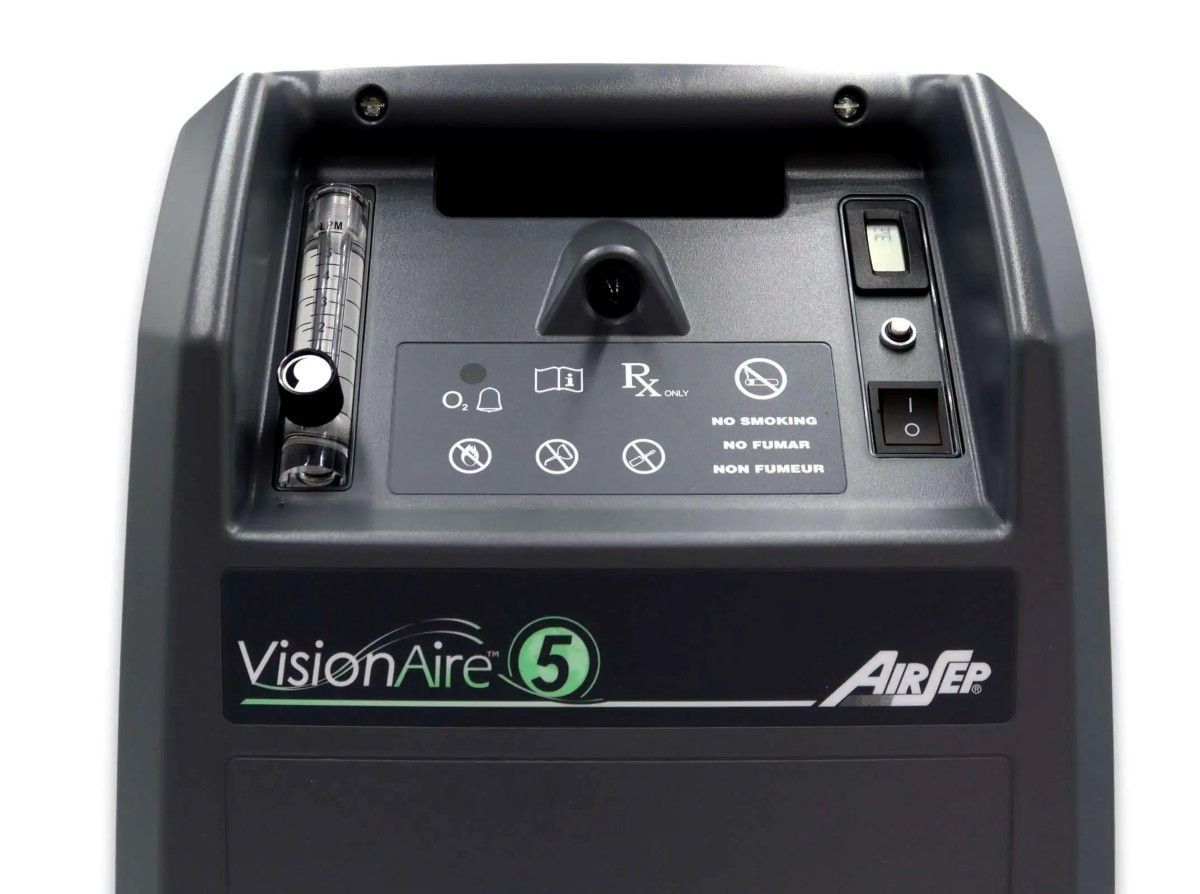
Philips is a well known name in respiratory equipment, but “Philips oxygen concentrator” can mean different things depending on the model, the prescription, and what an Australian supplier can legally provide. This guide covers what patients should check before they rent or buy.
What is a Philips oxygen concentrator, and what does it actually do?
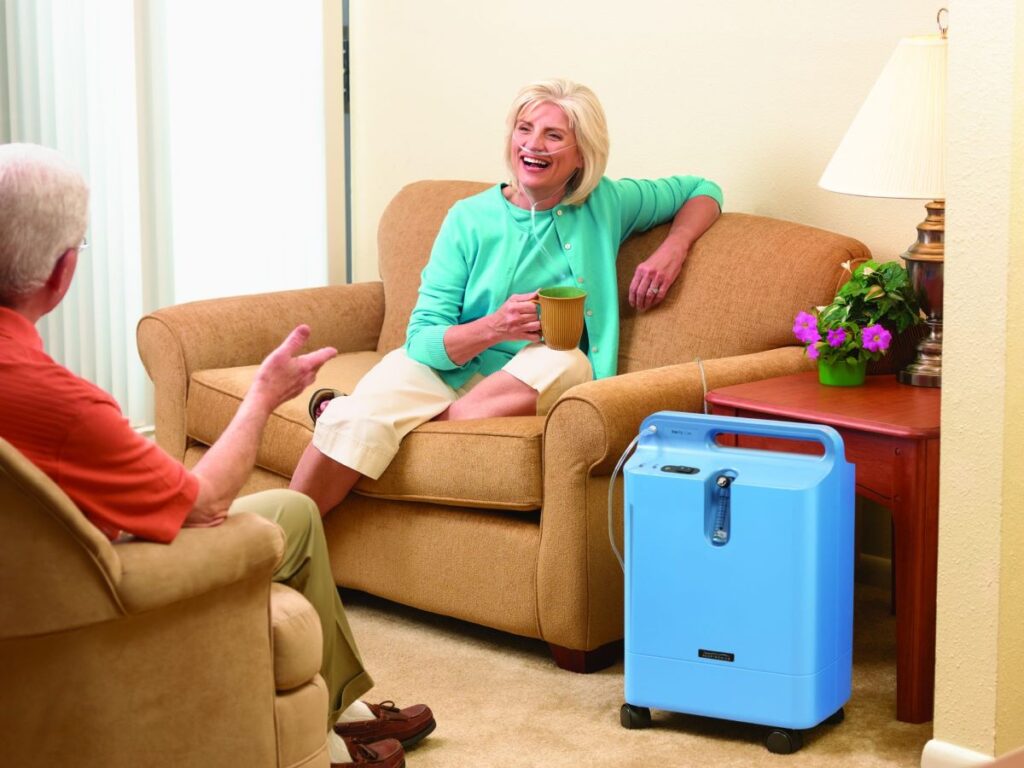
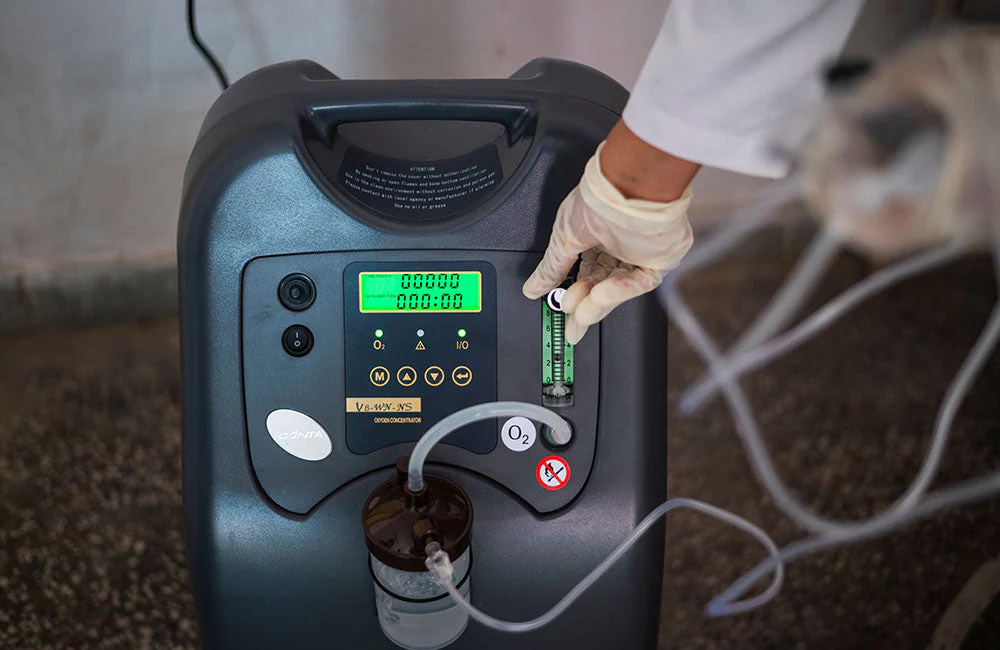
A Philips oxygen concentrator Australia is a medical device that takes in room air and delivers concentrated oxygen to a patient through tubing and a nasal cannula or mask, depending on the setup. It is used when a clinician prescribes supplemental oxygen for conditions that reduce blood oxygen levels.
In practice, concentrators usually fall into two categories: home (stationary) units designed for continuous use, and portable oxygen concentrators (POCs) designed to be carried for outings.
Which Philips models are typically relevant for patients in Australia?
Patients usually encounter Philips stationary concentrators and Philips portable oxygen concentrators, depending on what their prescription calls for. Availability can vary by supplier, location, and current regulatory status for specific product lines.
They should ask the supplier for the exact model name and confirm it matches the prescription requirements, because “portable” and “home” units behave very differently in flow capability, noise, and power options.
Do they need a prescription to get a Philips oxygen concentrator in Australia?
In most cases, yes. Oxygen therapy is typically prescribed based on clinical assessment, often including oxygen saturation measurements and sometimes arterial blood gas testing.
They should also expect a supplier to request prescription details such as required flow rate, whether oxygen is needed continuously or only during exertion or sleep, and whether pulse dose is acceptable.
What is the difference between continuous flow and pulse dose, and why does it matter?
Continuous flow delivers a steady rate of oxygen (for example, 1–5 L/min depending on the unit and prescription). Pulse dose delivers oxygen in bursts triggered by inhalation.
This matters because some patients require continuous flow, particularly during sleep or for certain clinical conditions, while many POCs are pulse dose only. They should confirm what their clinician ordered and match the device type to it, rather than assuming any portable option will work.
How should they check the right oxygen flow and settings for their needs?
They should not guess settings. Flow rates and modes should be set according to the prescription and then verified in real life situations, such as walking around the home, climbing steps, or sleeping if night oxygen is prescribed.
A clinician may recommend a walk test or overnight oximetry to confirm oxygen saturation stays in the target range. If symptoms persist despite use, they should report it, since increasing flow without guidance can be unsafe for some patients.
What should they know about power, batteries, and backup plans?
Stationary concentrators typically run on mains power and may include alarms for power failure, but they do not replace the need for a plan during outages. Patients should ask their supplier about backup oxygen options, especially if they rely on oxygen 24/7.
For Philips portable units, battery life varies widely by setting, breathing pattern, and altitude. They should check realistic battery duration at their prescribed setting, not just the best case marketing figure, and consider whether extra batteries or vehicle charging is needed.
Can they use a Philips portable oxygen concentrator for flying in and around Australia?
Many POCs are designed with air travel in mind, but airline policies still apply. They should confirm the exact model is accepted by their airline, understand battery quantity requirements, and carry documentation if requested.
They should also plan for ground time at airports, delays, and charging access. Even when a device is permitted, patients may still need a clinician’s letter and a travel plan that matches their oxygen needs door to door.
Other Resources : Batteries – For Home or Business Rooftop Solar
What should they ask an Australian supplier before renting or buying?
They should treat the supplier conversation like a checklist, because policies and inclusions vary. Useful questions include:
- Is the unit new, refurbished, or rental stock, and what is the service history?
- What alarms does it have, and what do they mean?
- What is included: cannulas, filters, humidifier bottle, tubing length, carry bag?
- What is the warranty, and who handles repairs in Australia?
- What are the expected noise levels and operating costs?
- Can they trial the unit, and what is the return policy?
If the supplier cannot clearly explain whether a portable unit supports continuous flow, that is a red flag.
What are the key comfort and usability factors patients often overlook?
Noise, heat output, and tubing management can affect day to day use more than patients expect. A concentrator that is technically suitable can still be frustrating if it disrupts sleep or is hard to move safely around the home.
They should also consider maintenance routines. Filters often need cleaning or replacement, cannulas need regular changing, and humidification may be recommended to reduce dryness. If they have arthritis or limited hand strength, they should ask for a unit that is easier to handle and maintain.
What does servicing and maintenance typically involve?
Most concentrators require routine filter care, periodic inspection, and performance checks. Suppliers may offer scheduled servicing, especially for rentals, and patients should confirm how often it happens and whether a replacement unit is provided during repairs.
They should follow the device manual and supplier instructions, because blocked filters and poor ventilation can reduce performance. They should also keep the unit in a well ventilated space and avoid placing it against curtains or walls.
How can they protect themselves from misleading listings or unsuitable devices?
They should be cautious with marketplace listings that do not provide a clear model number, run hours, condition report, and proof of servicing. Medical devices are not like general electronics, and oxygen equipment needs to meet safety and performance expectations.
If they are buying privately, they should verify the device’s origin, confirm it is suitable for Australian power standards, and ideally have it checked by a reputable provider. If anything feels unclear, renting through a recognised supplier is often safer.
When should they seek medical help rather than changing equipment?
If they experience worsening breathlessness, headaches, confusion, chest pain, bluish lips, or persistent low oxygen saturations despite prescribed use, they should seek medical advice promptly. Equipment issues can be part of the problem, but clinical deterioration must be ruled out.
They should also ask for reassessment if their lifestyle changes, such as increased exertion needs, travel plans, or new sleep symptoms. Oxygen needs can change over time, and the right device today may not be the right device in six months.
What is the simplest way to choose the right Philips oxygen concentrator in Australia?
They should start with the prescription requirements, then match them to device type, then confirm local support. If the prescription requires continuous flow, they should prioritise a stationary unit or a portable option that truly supports continuous flow at the needed rate.
If portability is the main goal, they should verify pulse dose suitability, battery duration at their setting, and airline acceptance if travel is planned. The best choice is the one that meets the prescription, fits daily routines, and can be serviced quickly in Australia.
Related : Should You Aerobika Buy Online or Through a Provider?
FAQs (Frequently Asked Questions)
What is a Philips oxygen concentrator and how does it work?
A Philips oxygen concentrator is a medical device that takes in room air and delivers concentrated oxygen to a patient through tubing and a nasal cannula or mask. It is prescribed for conditions that reduce blood oxygen levels and comes in two main types: stationary home units for continuous use and portable oxygen concentrators (POCs) for mobility.
Do I need a prescription to obtain a Philips oxygen concentrator in Australia?
Yes, in most cases you need a prescription based on clinical assessment such as oxygen saturation measurements or arterial blood gas testing. Suppliers will require details like prescribed flow rate, whether oxygen is needed continuously or during exertion/sleep, and if pulse dose delivery is acceptable.
What is the difference between continuous flow and pulse dose oxygen delivery?
Continuous flow delivers a steady rate of oxygen (e.g., 1–5 L/min), suitable for patients needing constant oxygen, especially during sleep. Pulse dose delivers oxygen in bursts triggered by inhalation, common in portable units. Matching the device type to your clinician’s prescription is crucial for effective therapy.
Can I use a Philips portable oxygen concentrator when flying within Australia?
Many Philips POCs are designed with air travel in mind, but acceptance depends on airline policies. Confirm your specific model is approved, understand battery requirements, carry necessary documentation, and plan for airport delays and charging access. A clinician’s letter and comprehensive travel plan are often required.
What should I ask an Australian supplier before renting or buying a Philips oxygen concentrator?
Important questions include: Is the unit new, refurbished, or rental stock? What alarms does it have and their meanings? What accessories are included (cannulas, filters, humidifier)? Warranty details and repair services in Australia? Noise levels and operating costs? Trial availability and return policy? Ensure clarity on continuous flow support if needed.
How do I maintain and service my Philips oxygen concentrator properly?
Routine maintenance involves cleaning or replacing filters regularly, inspecting performance, and following supplier instructions. Keep the unit well ventilated away from curtains or walls to avoid overheating. Scheduled servicing may be offered by suppliers, especially for rentals; confirm frequency and if replacement units are provided during repairs.