Introduction: Understanding Cataracts and Why Surgery Is Needed
Cataracts are a common condition that affects the natural lens of the eye, causing it to become cloudy. This results in blurry vision, difficulty seeing in low light, and increased sensitivity to glare. As cataracts progress, they can significantly impact daily activities like reading, driving, and even recognizing faces.
See more: The Pros and Cons of Laser Eye Surgery: A Patient’s Perspective
Cataract surgery is the most effective treatment for this condition. During the procedure, the clouded lens is removed and replaced with a clear artificial lens called an intraocular lens (IOL). This surgery is highly successful and restores clear vision for the majority of patients. However, just like any surgery, proper recovery is essential to achieving the best results.
In this article, we’ll discuss the recovery process after cataract surgery, including healing time, expected vision changes, and important care tips to ensure a smooth recovery.
What Is Cataract Surgery?
Cataract surgery is a routine procedure designed to remove the clouded lens from the eye and replace it with an artificial intraocular lens (IOL). The surgery is typically performed under local anaesthesia, which means the patient remains awake during the procedure but doesn’t feel any pain. The surgery is relatively quick, usually taking between 15 to 30 minutes per eye, and is typically done on an outpatient basis, meaning you can go home the same day.
There are several different types of cataract surgery, but the most common methods are phacoemulsification (using ultrasound waves to break up the cataract) and laser-assisted cataract surgery (which uses a laser to assist in the procedure).
Before Cataract Surgery
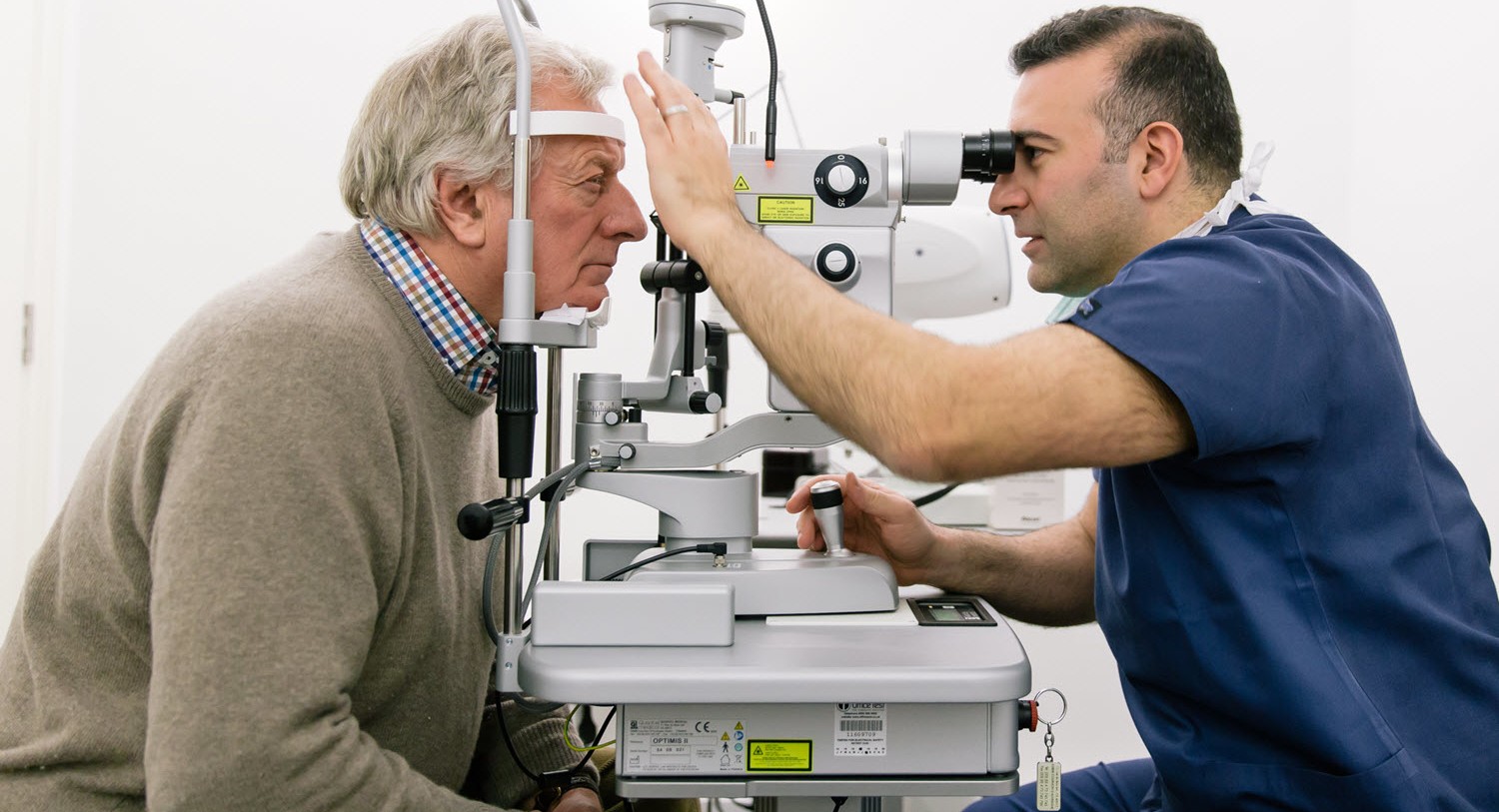
Pre-Surgery Eye Tests
Before your cataract surgery, your eye doctor will perform a series of tests to ensure that the procedure is suitable for you and to determine the right intraocular lens (IOL) for your eyes. These tests include:
- Vision Test: To measure the extent of your vision impairment caused by the cataract.
- Eye Measurements: To determine the size and shape of your eye and select the appropriate IOL.
- Corneal Health Check: To ensure that the cornea (the clear outer layer of the eye) is healthy enough to undergo surgery.
- Retinal Exam: To check the health of your retina and make sure there are no other issues that could affect your vision.
These tests help your surgeon prepare for the procedure and choose the best options for your IOL.
Preparation Steps
In the days leading up to the surgery, there are a few important steps you should take to prepare:
- Medications: Your doctor may advise you to stop taking certain medications, such as blood thinners, several days before surgery to minimize the risk of complications.
- Eye Drops: You will likely be prescribed eye drops to reduce inflammation and prevent infection before the surgery.
- Fasting: If you are undergoing sedation, you may be asked to fast for several hours before the procedure.
Be sure to follow all of your doctor’s instructions carefully for the best results.
What Patients Should and Shouldn’t Do
Before the surgery, here are a few things you should and shouldn’t do:
- Do: Arrange for someone to drive you home after surgery, as your vision may be blurry.
- Don’t: Wear makeup, lotions, or perfumes on the day of surgery to avoid increasing the risk of infection.
During Cataract Surgery
How the Procedure Is Performed
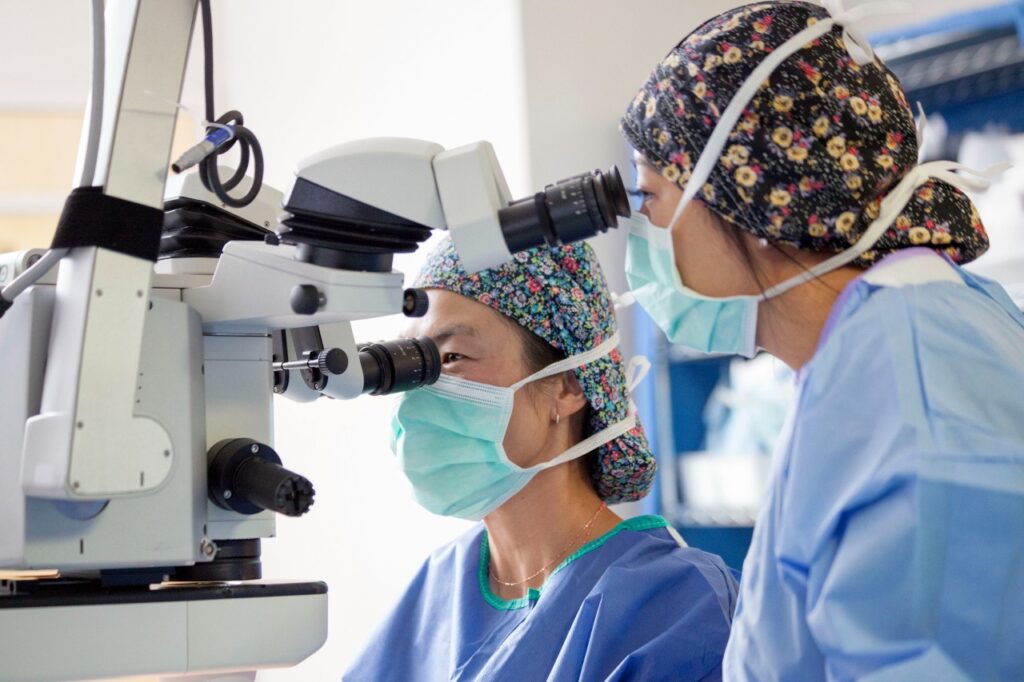
Cataract surgery is typically performed using a local anaesthetic to numb the eye, so the patient remains awake but comfortable. Here’s a step-by-step look at the procedure:
- Anaesthesia: Local anaesthesia is used to numb the eye, and a mild sedative may be given to help you relax.
- Incision: The surgeon makes a small incision in the cornea (the clear front part of the eye).
- Cataract Removal: The cloudy lens is broken up into tiny pieces using ultrasound (phacoemulsification) or laser, and then it is gently removed.
- IOL Insertion: An intraocular lens (IOL) is inserted to replace the natural lens. This lens helps focus light on the retina and restores clear vision.
- Closing the Incision: The incision is small enough that it usually does not require stitches. It will heal on its own.
The procedure typically takes about 15-30 minutes, and patients usually go home the same day.
Pain Management and Duration
Cataract surgery is relatively pain-free due to the local anaesthesia. After the procedure, some people experience mild discomfort or a gritty feeling in the eye, but this generally subsides within a few hours. Most patients report minimal pain during the procedure itself, with some pressure but no significant discomfort.
After Cataract Surgery
Recovery Timeline
Cataract surgery recovery is usually quick, with most people noticing improvement in their vision within the first 24-48 hours. However, full recovery may take several weeks. Here’s a breakdown of the typical recovery timeline:
- First 24-48 Hours: Expect some blurry vision, mild irritation, and light sensitivity. These are common side effects that should improve in the coming days.
- Week 1: Your vision may begin to stabilize, although some patients experience fluctuations in vision during this period.
- Week 2-4: By the second week, most patients experience improved vision, although slight discomfort or sensitivity may still occur.
- 6-8 Weeks: Full recovery is typically achieved within 6 to 8 weeks after surgery, with most patients noticing significant improvement in both vision clarity and comfort.
Vision Changes
Cataract surgery is known for providing dramatic improvements in vision. Most people notice clearer, sharper vision shortly after the procedure. Here are some common changes you may notice:
- Reduced Glare: Many patients report a decrease in glare and halos, especially at night.
- Improved Contrast Sensitivity: You may find it easier to distinguish objects, particularly in low-light conditions.
- Brighter Colors: Some people notice that colors seem brighter and more vivid after the surgery, as cataracts often cause a yellowing of vision.
Depending on the type of intraocular lens (IOL) you receive, you may still need glasses for reading or close-up work. For example, monofocal IOLs are designed for distance vision, while multifocal or accommodative IOLs may reduce your need for reading glasses.
Post-Operative Care and Restrictions
It’s important to follow the post-operative care instructions provided by your surgeon to ensure proper healing and minimize the risk of complications:
- Use Eye Drops: You’ll be prescribed anti-inflammatory and antibiotic eye drops to prevent infection and control swelling.
- Avoid Rubbing the Eye: For the first few weeks, avoid touching or rubbing the eye to prevent irritation or injury.
- Wear Protective Shield: You may be asked to wear a protective shield over your eye while you sleep to prevent accidental pressure or rubbing.
- Avoid Strenuous Activities: For at least two weeks, avoid heavy lifting, vigorous exercise, and swimming to allow your eye to heal properly.
Benefits and Success Rates
Cataract surgery has an excellent success rate, with over 95% of patients experiencing improved vision. The main benefits include:
- Improved Vision: Most patients experience dramatic improvements in their vision, particularly in low-light conditions and when driving at night.
- Quick Recovery: Most people resume normal activities within a few weeks.
- Better Quality of Life: Cataract surgery can restore independence and make it easier to perform everyday tasks, such as reading, driving, and working.
Possible Risks and Side Effects
While cataract surgery is safe, there are some risks and potential side effects to be aware of:
- Infection: Although rare, infection is a possibility. Proper post-surgery care can help prevent this.
- Inflammation: Mild swelling or redness is common, but it typically resolves with prescribed eye drops.
- Glare or Halos: Some people may notice glare or halos around lights after surgery, which usually improves over time.
- Retinal Detachment: A rare but serious complication that can occur after cataract surgery, requiring immediate medical attention.
When to Contact Your Eye Doctor
It’s important to contact your doctor if you experience any of the following symptoms:
- Severe Pain: Intense or persistent pain should be addressed immediately.
- Sudden Vision Loss: Any sudden loss of vision could indicate a problem and should be evaluated right away.
- Excessive Redness or Swelling: If the redness or swelling in your eye worsens, contact your doctor.
- Flashes of Light or Floaters: These may indicate a retinal issue and require immediate attention.
Conclusion: A Smooth Recovery and Restored Vision
Cataract surgery is a highly effective and generally low-risk procedure that can restore clear vision and improve your quality of life. While the recovery process may take several weeks, most patients notice significant improvements in their vision within the first few days after surgery.
By following your doctor’s post-operative care instructions and being patient with the recovery process, you can enjoy a smoother healing experience and improved eyesight. If you have any concerns or experience unusual symptoms, don’t hesitate to contact your eye doctor for guidance.
FAQs
1. How long does it take to recover from cataract surgery?
Most people recover within 6-8 weeks after cataract surgery. However, you will notice improvements in your vision within the first 24-48 hours. Full recovery, including stable vision, typically occurs within 4 to 6 weeks.
2. Is it normal to have blurry vision right after cataract surgery?
It’s common to experience blurry vision immediately after cataract surgery. Your vision should gradually improve over the next few days, though slight fluctuations may occur during the first few weeks as the eye heals.
3. Can I drive after cataract surgery?
You should avoid driving immediately after cataract surgery, as your vision may be blurry. Most people are able to drive again within a few days to a week, but follow your doctor’s advice on when it’s safe for you.
4. Will I still need glasses after cataract surgery?
Some people still need glasses for reading or close-up tasks, especially if they have presbyopia. The type of intraocular lens (IOL) used will influence your need for glasses, with multifocal IOLs reducing the need for them.
5. What should I avoid doing after cataract surgery?
After cataract surgery, avoid rubbing your eye, strenuous activities, swimming, or any action that could put pressure on the eye. Also, follow your doctor’s instructions regarding eye drops and other medications to prevent infection and ensure proper healing.